What Is Labneh? The Creamy Yogurt Spread Explained
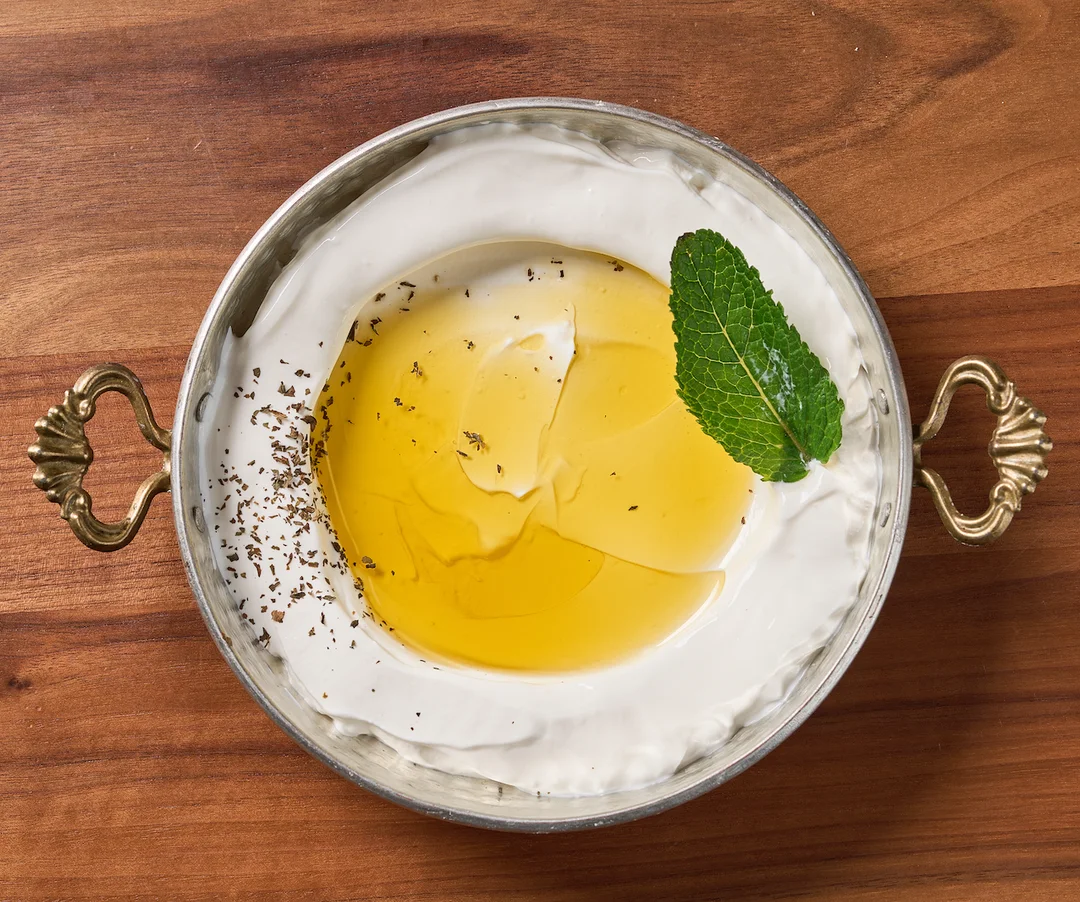
The answer to ‘what is labneh’ is actually pretty simple. It is strained yogurt that turns thick, smooth, and spreadable. Not quite yogurt anymore, not quite cheese either. Somewhere in between.
It tastes mild, a little tangy, and surprisingly rich without feeling heavy. That is why it keeps showing up on Mediterranean tables, especially when warm bread and olive oil are involved.
In places like South Florida, where people are just getting into Mediterranean food, labneh is often the thing that makes them pause. It looks basic. Then the flavor hits differently.
What is Labneh and How is It Made?
What labneh really comes down to is one process. Yogurt gets strained. Slowly. Until most of the liquid is gone. What is left behind is thicker. Almost like a soft spread instead of something you spoon like regular yogurt.
Most kitchens keep it very simple:
- Yogurt is placed in a cloth or strainer
- It drains for hours, sometimes overnight
- A bit of salt is added
- It gets finished with olive oil or herbs
That’s it. No tricks or complicated steps are involved.
The longer it strains, the thicker it gets. That’s where the texture changes completely. It stops behaving like yogurt and starts acting like something closer to a dip.
Is Greek Yogurt and Labneh the Same?
This is where most confusion starts.
Is Greek yogurt and labneh the same? Not really. They come from the same idea, but they don’t land in the same place.
Greek yogurt still has a soft, spoonable texture. Labneh goes further. It is strained more, so it becomes thicker and smoother.
You can feel the difference right away:
- Greek yogurt moves in a bowl
- Labneh holds its shape on bread
- Greek yogurt feels like breakfast
- Labneh feels like part of a meal
- Greek yogurt pairs with fruit often
- Labneh leans savory, with oil and herbs
Labneh vs Other Things People Compare It To
People try to place labneh into something familiar. That usually leads to comparisons.
Labneh vs Greek Yogurt
Greek yogurt is lighter and more flexible. Labneh is thicker and more “spread-like.”
Labneh vs cream cheese
Cream cheese feels heavier. Labneh feels fresher and less dense.
Labneh vs sour cream
Sour cream is sharper. Labneh is calmer in taste.
Once you try all three, labneh sits in its own category pretty quickly.
How Labneh is Actually Eaten
Labneh is not usually eaten alone. It shows up as part of a shared table.
In real meals, it looks like this:
- Spread on warm pita
- Drizzled with olive oil
- Paired with cucumbers and tomatoes
- Eaten with grilled meat like kafta or chicken
- Mixed with herbs like mint or za’atar
Labneh does not try to dominate anything. It just supports everything around it. That is why people end up liking it more than expected.
Trying Labneh in South Florida Feels Different
In South Florida, Mediterranean food is often the first real exposure many people have to labneh. It usually arrives as part of a shared table rather than as a standalone order.
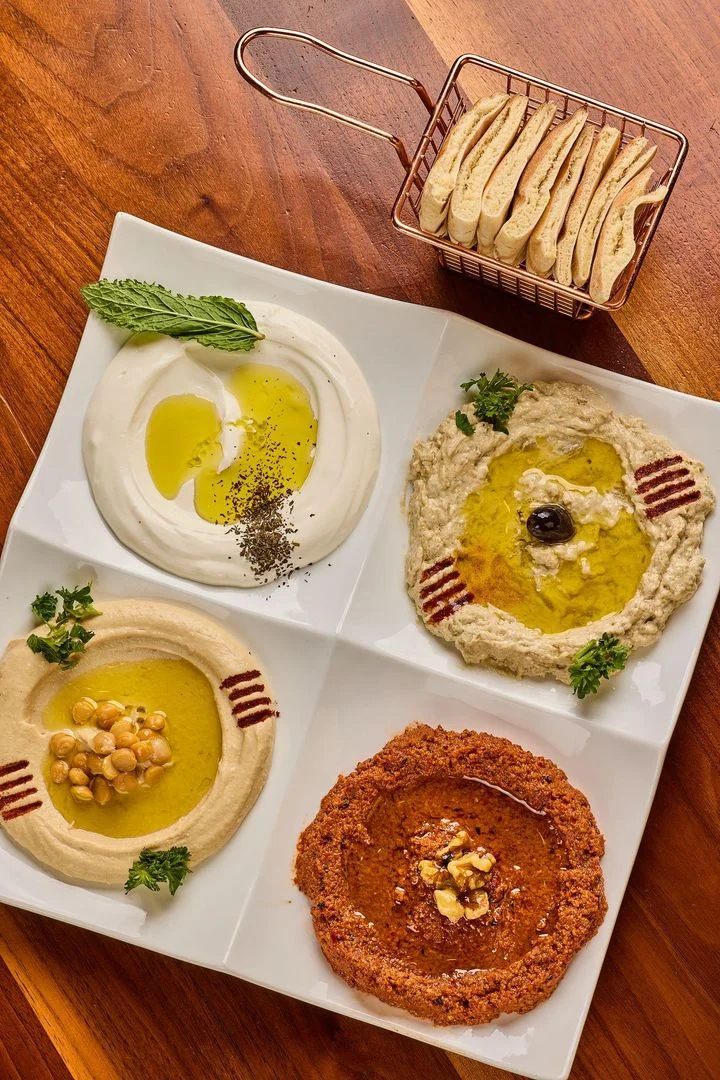
At places like Sufrat Grill , the dining style focuses on shared plates and warm bread served early in the meal. Labneh is typically included in the mezze selection along with other dips and small dishes.
Labneh is not usually eaten by itself. It is served with bread, olive oil, and other items on the table. The combination is what makes it complete.
This is often the point where people stop asking what is labneh and start eating it without thinking about it too much.
What to Eat With Labneh the First Time
First-timers usually enjoy labneh more when they don’t eat it alone.
Better pairings:
- Warm pita or flatbread
- Grilled meats like chicken or kafta
- Fresh vegetables for crunch
- Olives for salt balance
- Olive oil drizzle for richness
- Herbs like mint or za’atar
It is mild, so pairing is everything. Without it, it can feel too simple. With it, it feels complete.
Why Labneh Works for First-Time Mediterranean Diners

Labneh has a strange advantage. It feels familiar, but not quite.
Most people try it and think:
- Is this just yogurt again
- Why is it so thick
- Do I eat this like a dip or a spread
Then something shifts when it’s eaten with bread and oil. It suddenly makes sense. It does not demand attention. It grows on the table slowly. That is why it is often one of the safest starting points in Mediterranean food.
Labneh in Everyday Eating
Labneh is not only restaurant food. It shows up in regular kitchens too.
Simple ways people use it:
- On toast in the morning
- As a dip for vegetables
- Inside wraps or sandwiches
- Next to grilled food
- As a quick snack with olive oil
It is not fancy. It just fits into a lot of meals without effort.
Shared Dining and Private Gatherings
Mediterranean food is usually served in a shared style rather than individual portions. It is designed for group dining, where multiple dishes are placed on the table and shared.
At Sufrat Grill , there is also an option for group dining through their Private Events page. It is used for celebrations, family gatherings, and private meals where the menu is served in a shared format.
In these settings, labneh is served as part of the mezze spread. It is placed with other dips and dishes and eaten with bread throughout the meal.
It is not treated as a main dish. It stays as part of the shared table experience.
Final Thoughts
Labneh is a simple food made from strained yogurt. It is mild in taste and smooth in texture, and it fits easily into a variety of Mediterranean meals.
It does not rely on strong seasoning or complexity. It works because it is served with bread, olive oil, and other shared dishes.
In many Mediterranean meals in South Florida, including places like Sufrat Grill , it becomes part of the table naturally. Over time, it stops feeling unfamiliar and becomes something that is simply part of the meal.


