What Is Baklava? Ingredients, History & More
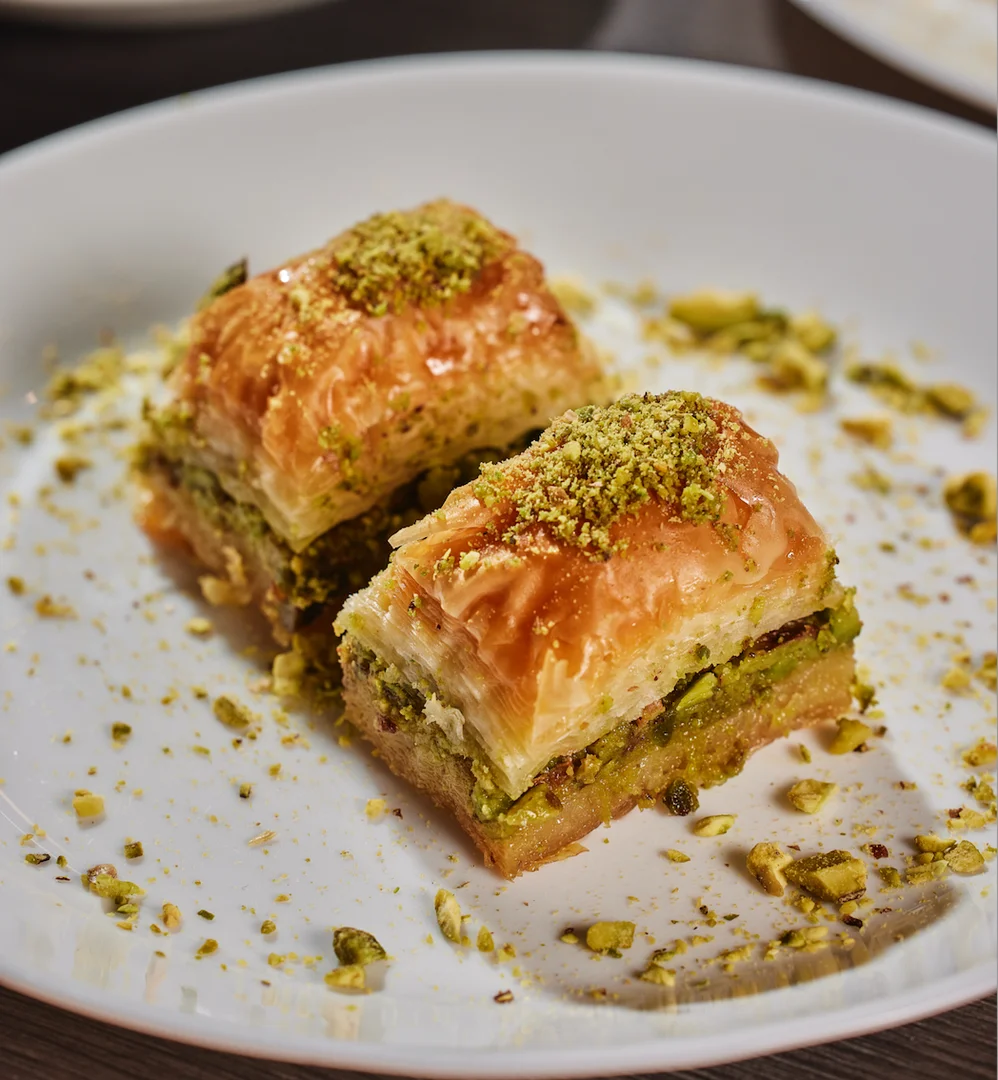
Baklava is a sweet, layered pastry made from thin phyllo dough, chopped nuts, and sugar syrup. It's a dessert with origins across Turkey, Greece, and the wider Middle East. The dessert tastes crisp and rich and is one among the most recognized sweets in the world.
What Is Baklava: What Makes It So Special
Baklava stands out because of its texture. Dozens of paper-thin pastry sheets get stacked and are coated with butter. Then, they get a layering of nuts. Once baked, the top becomes golden and crisp. At the same time,the sweet syrup soaks through every layer underneath.
What makes this dessert so remarkable is how varied every bite tastes. Crunchy pastry meets soft, syrup-soaked layers. Nutty filling combines with buttery richness. That balance of textures, achieved through patience and precision. This is what turns an average baklava into a great one.
Baklava also carries serious cultural weight. It's always a part of weddings, religious holidays, and family celebrations in many countries. Historically, making it properly is considered a specialized skill. Master pastry chefs undergo a special training for its preparation.
Is Baklava Vegan?
Traditional baklava is not vegan. Classic recipes use butter, and sometimes ghee. These are brushed generously between each pastry layer. Many versions also include honey in the syrup. The ingredient is not a part of vegan diets.
That said, plant-based versions do exist. Some modern bakers swap butter for vegan margarine or plant-based oils. Honey can also be replaced with maple syrup or a simple sugar-based syrup. These substitutions can closely resemble the original. However, the flavor and texture may shift slightly from the traditional version.
Where Did Baklava Originate?
Baklava's exact birthplace remains debated among food historians. Its earliest roots likely trace back to ancient Mesopotamia. Here cooks combine flat, layered bread with nuts. They then sweeten it with honey.
From there, the dish evolved as empires rose and fell down. The Byzantine Empire contributed advanced pastry-layering techniques. Later, the Ottoman Empire refined those methods further. It developed the thin, delicate phyllo dough baklava is known for today.
Istanbul's palace kitchens played a major role in shaping the dessert into its modern form. Written records show that baklava with dozens of layers was already being made daily during Ramadan by the 1400s. Baklavaci, or skilled pastry chefs, prepared it.
As Ottoman officials, merchants, and travelers moved across the empire, baklava spread with them. It reached the Balkans, North Africa, the Levant, and beyond. Each region adapted the recipe using local ingredients. That's why baklava today is truly a shared tradition shaped by centuries of cultural exchange.
What Is Baklava Made Of?
At its core, baklava relies on just a few ingredients, carefully layered together.
- Phyllo dough: These are extremely thin sheets of pastry. In the past, cooks rolled them by hand using a long rolling pin.
- Nuts: Walnuts or pistachios are the two main nut varieties. In some regional variants, you can also see almonds and hazelnuts.
- Butter or ghee: This goes between each layer of phyllo. It creates that classic crispy texture.
- Sugar syrup: Sugar syrup is simple. It’s made with lemon juice. This goes over the baked pastry while it's still hot.
- Honey: Used in some regional versions instead of, or alongside, sugar syrup.
- Spices: Cinnamon and cloves show up in certain styles, particularly in Greek and Armenian versions.
Historically, fillings went beyond just nuts too. Some older Ottoman recipes used clotted cream, semolina custard, or even pureed lentils and chickpeas as filling. Today, nuts are the standard choice.
What Does Baklava Taste Like?
Baklava delivers a flavor built on contrast. The pastry itself is light and crisp, almost flaky. It reminds you of a very thin, buttery cracker. That crispness gives way to a rich, nutty filling underneath. This is made of walnuts or pistachios. It adds texture and a slightly earthy depth.
Then comes the sweetness. Sugar or honey syrup soaks into the pastry, adding a sticky, caramel-like sweetness. A hint of lemon in the syrup cuts through that sweetness. Thus, the dessert does not taste overly heavy.
Depending on the region, baklava can taste quite different. Greek versions have warm notes of cinnamon and clove. These come from spiced honey syrup. Turkish versions tend to taste cleaner and nuttier. Here, the pistachios shine without competing with other spices. Either way, the finished dessert is sweet, buttery, and satisfyingly rich.
What Are the Two Types of Baklava?
Baklava generally falls into two broad styles, based on how wet or dry the final pastry is.
Syrupy baklava
It is the most common style found worldwide. Hot syrup is poured over the pastry right after baking. It penetrates deep into every layer. This creates that classic sticky, moist texture that baklava is synonymous with.
Dry baklava
It is sometimes called "kuru baklava" in Turkish. It uses less syrup, or omits the lemon juice that keeps syrup runny. Without lemon, the syrup crystallizes and does not stay liquid. It results in a drier, crisper pastry. This version can withstand transport and storage. Thus, historically it has been used for gifting or travel.
What Is the Correct Way to Eat Baklava?
Most people eat baklava the way they'd eat any pastry. They pick it up and bite straight in. But there's actually a traditional method of eating baklava. It completely changes your baklava experience.
Baklava is meant to be eaten upside down. Flipping the piece means the syrup-soaked bottom touches your tongue first. It gives you a burst of sweetness immediately. Eating it right-side up sends sticky syrup straight to the roof of your mouth instead. The crisp top layers crumble against your palate rather than landing on your tongue.
When you turn it upside down, you bring the filling and buttery aroma closer to your nose as you bite. Baklava is a dessert best experienced through smell as much as taste. So, this small flip makes a real difference. Skip the fork, pick up a piece with your fingers, flip it, and take a confident bite.
Which Baklava Is Better, Greek or Turkish?
Both versions are authentic, but they follow very different philosophies. Greek baklava is more warm and aromatic. Turkish baklava stays cleaner and more nut-forward.
Feature Greek Baklava Turkish Baklava
Primary nut Walnuts Pistachios
Sweetener Honey-based syrup Light sugar syrup
Spices Cinnamon, cloves Minimal to none
Flavor profile Warm, rich, aromatic Clean, nutty, crisp
Fat used Butter Clarified butter
Layer count Sometimes 33, symbolically Varies, often 20 to 40
Best suited for Those who enjoy warm spice Those who prefer pistachio flavor
Neither style is objectively better. It really comes down to personal taste. If you love warm spices and a honey-forward sweetness, Greek baklava will likely suit you more. If you prefer a cleaner, nuttier flavor built around pistachios, Turkish baklava is the better fit.
Discover Sweet Baklava Favorites at Sufrat Grill
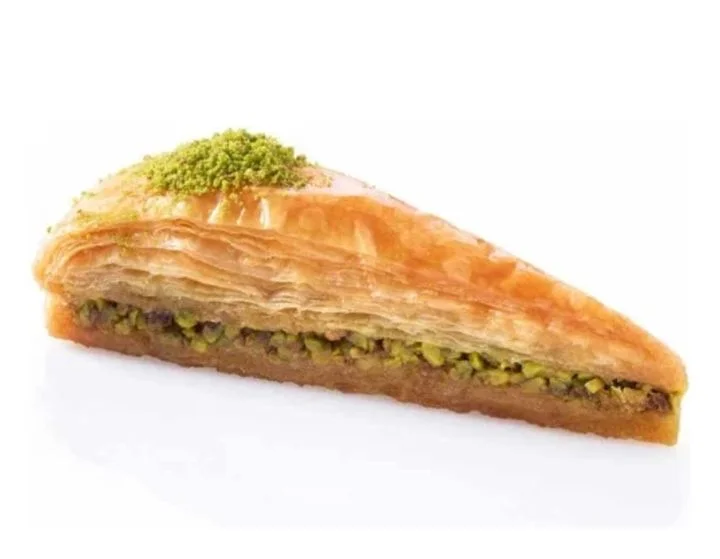
Sufrat Mediterranean Grill brings this centuries-old dessert to its South Florida menu with two standout options. The Turkish Baklava is available at the Miami Beach location. It follows that classic nut-forward style. It layers the crisp phyllo with a generous pistachio filling and a light sugar syrup finish.
For those craving something to share, the Large Pistachio Baklava , offered at the Doral Yard location, delivers that same rich, buttery pastry in a bigger format. This one is perfect for a table or a family gathering. Both options reflect the same craftsmanship that's defined baklava for centuries, thin, crisp layers balanced against sweet, nutty filling.
Frequently Asked Questions
1. Why does baklava have 33 layers?
In some Greek Orthodox traditions, baklava is made with 33 layers of phyllo to symbolize the years of Christ's life. This detail connects the dessert to religious celebrations. Not all baklava recipes follow this exact count, though it remains a meaningful tradition in certain households.
2. Are you supposed to eat baklava cold?
Baklava is typically served at room temperature, not cold. Chilling it can make the syrup harden and the pastry lose some of its crisp texture. Room temperature allows the layers to stay flaky while keeping the syrup soft enough to deliver that signature sticky sweetness.
3. What is wet baklava?
Wet baklava refers to the traditional syrupy style, where hot syrup soaks deeply into every pastry layer after baking. This creates a moist, sticky texture throughout. It's the most common style found worldwide, contrasting with the drier, less syrup-soaked version sometimes called kuru baklava.
4. What desserts are similar to baklava?
Kunafa is a close cousin, using similar syrup and nut elements but built around shredded pastry and cheese instead of layered phyllo. Basbousa, a syrup-soaked semolina cake, shares that same sticky sweetness. Both desserts come from overlapping culinary traditions across the Middle East and Mediterranean.


