Types of Kebab: Popular Varieties and Their Flavors
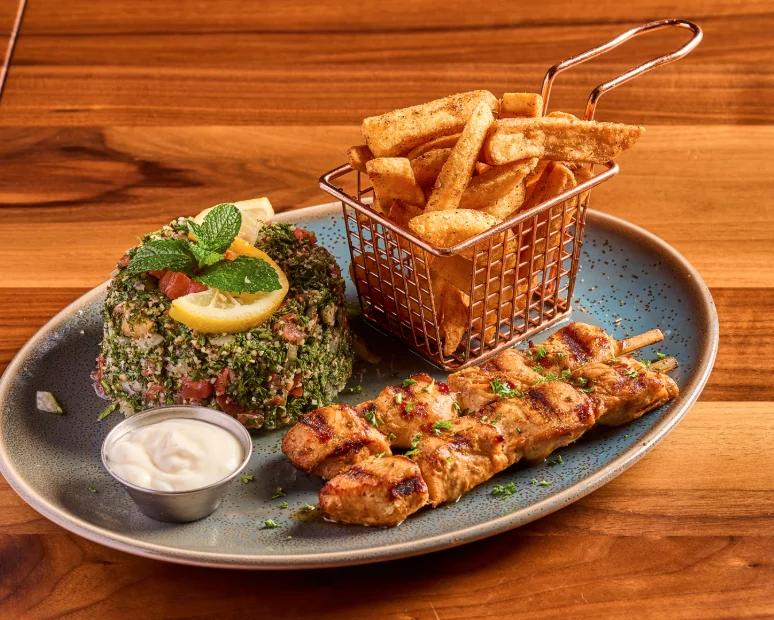
Kebabs come in varied forms. People who are newly introduced to it may think that it is one particular dish. That is definitely not the case. Kebab is a broad term for a variety of meat dishes. Each variety has its own ingredients and a preparation style. Each dish’s flavor is different.
Keep reading to learn more about the popular kebab types. But first, let’s start with their history.
The Origin and History of Kebabs
Nobody can name the exact birthplace of the kebab. Texts from the 9th and 10th centuries mention grilled meat in Mesopotamian, Persian, and Arab kitchens. Many food historians also point to Anatolia in modern Turkey.
The word itself offers a clue. Persians say "kabab," Arabs say "kabab," and Turks say "kebap." All three words point to roasted or grilled meat. Some language experts link the root to an ancient word meaning "to burn or char."
Old stories further enhance the deep history of kebab. According to one tradition, Persian and Turkish soldiers grilled meat on their swords over open fires. Other sources suggest skewered meat existed in ancient Greece and in early Hindu texts.
Kebabs later became a royal food. They were part of Ottoman cooking. They also reached the courts of the Delhi Sultanate and the Mughals. Ordinary people ate them too, often for breakfast.
The Ottoman kitchens of Istanbul took grilled meat very seriously. Hundreds of cooks worked in the imperial kitchens. Different cities then built their own signature kebabs from local meats, peppers, and cooking habits. That is why so many kebabs still carry a city name today.
Early cooks also had a practical reason to love skewers. Nomads and soldiers needed a fast way to cook meat on the move. A stick and a fire were enough. As people settled into towns, cooks refined the method with charcoal grills and flat metal skewers.
The dish then spread across the globe:
- Turkish immigrants brought kebabs to Europe in the 19th century.
- Lebanese immigrants introduced them to the United States.
- Kebabs also traveled as far as Australia.
Today, nearly every country has its own version.
Understanding Kebab Styles, Regional Varieties, and Related Dishes
Before looking at individual dishes, you must know the basic styles. Turkish cooks group kebabs by technique, and that system works well for everyone.
Kebab Styles
- Shish kebab: "Şiş" means skewer in Turkish. Cubes of marinated meat, usually lamb, are grilled on a skewer. Chicken and beef versions are also common.
- Kofta kebab: Ground meat is mixed with onion, herbs, and spices. Cooks shape it around skewers or into patties. In Turkey, it is called köfte.
- Rotisserie kebab: Meat stacks on a spit and cooks slowly. Cooks shave the browned outer layer into thin slices. Döner is the best-known example.
- Baked and pot kebabs: Some kebabs cook in trays, ovens, or sealed clay pots. Not every kebab touches a grill.
The marinade shapes the final flavor. A classic shish marinade uses olive oil, lemon juice, garlic, and onion. Cooks often add cumin, paprika, and black pepper. The meat should marinate long enough for flavor to soak in.
Regional Varieties: Adana Kebab and Turkish Traditions
Many Turkish kebabs carry the name of a city. Adana kebab comes from the city of Adana in southern Turkey. Cooks chop lamb with tail fat, then season the mix with red pepper. They knead it until smooth and press it onto wide skewers.
Charcoal grilling gives Adana kebab its smoky edge. Cooks often serve it on flatbread, with roasted peppers, tomatoes, and sumac onions. The flatbread soaks up the juices.
Urfa kebab, from Şanlıurfa, is its milder cousin. Most menus describe Adana as spicier and Urfa as gentler. Both use minced meat on a wide skewer, so they look alike on the plate.
Feature Adana Kebab Urfa Kebab
City Adana Şanlıurfa
Heat level Spicier Milder
Meat Minced lamb with tail fat Minced meat on a wide skewer
Best for Diners who like heat First-time kebab fans
Other regions add their own twists:
- İskender (Bursa): Thin döner slices sit on pide. Tomato sauce, yogurt, and hot butter finish the plate.
- Cağ kebabı (Erzurum): Lamb cooks on a horizontal spit. Cooks slice it onto small skewers.
- Tokat and Hatay: Cooks bake meat with eggplant, tomato, and peppers in trays or ovens.
- Cappadocia: Cooks seal meat and vegetables in a clay pot. Servers often crack it open at the table.
Turkish diners usually eat kebab with flatbread or pide. Bulgur pilaf, roasted tomatoes, parsley, and sumac onions often join the plate. Ayran, a salty yogurt drink, is a popular match.
Related Dishes: Shawarma vs. Kebab
Shawarma looks like a kebab, but cooks prepare it differently. The table below shows the main gap.
Feature Shawarma Kebab
Cooking method Vertical spit, slow roasted Skewers over charcoal or flame
Meat prep Thin layers stacked on a spit Cubes, ground meat, or minced meat
Serving Shaved to order into pita or bowls Plated skewers with rice and salad
Texture Thin, caramelized slices Charred cubes or juicy patties
Döner is the closest cousin to shawarma. Both use a vertical spit. The main differences lie in the seasoning and the toppings.
Kebab is the older tradition. People have grilled meat on skewers for thousands of years. The vertical spit came much later. Most historians place it in Bursa in the 18th or 19th century. The exact story is debated.
That one idea spread into several dishes:
- Döner in Turkey: Cooks serve it in bread or on a plate, often with yogurt sauce.
- Shawarma in the Levant: Cooks use warmer spices like cumin, cinnamon, and cardamom. Tahini and garlic sauce are common toppings.
- Gyro in Greece: Cooks serve it in pita with tzatziki, tomato, and onion.
Serving style differs too. Shawarma is handheld, so it suits a quick lunch. A kebab platter suits a longer sit-down meal with rice, salad, and bread.
How Many Types of Kebabs Are There?
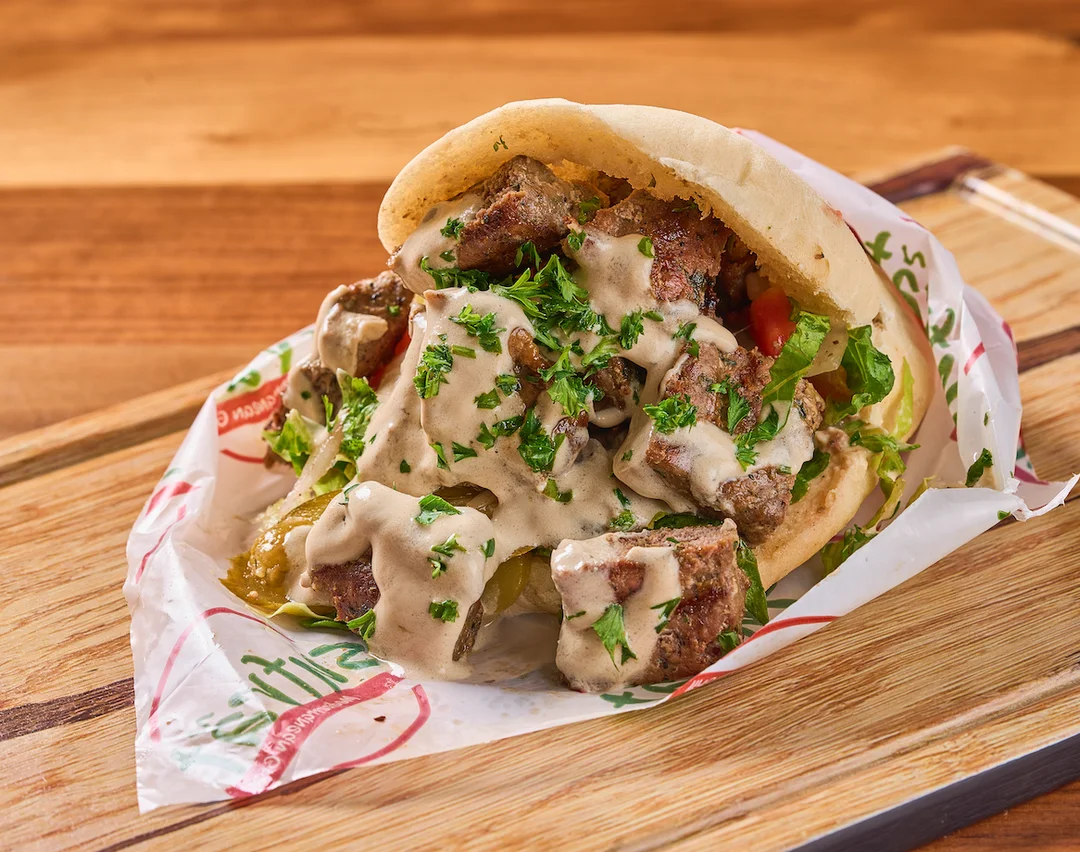
There are hundreds of regional versions of kebabs. These eight are the best known.
1. Shish Kebab
Shish kebab is the most recognized type worldwide. Cooks thread marinated lamb cubes onto skewers. They often alternate the meat with onion, tomato, or pepper. The meat grills over hot coals until lightly charred outside and juicy inside.
2. Kofta Kebab
Kofta uses ground or minced meat. Onion, parsley, cumin, and pepper are common seasonings. Cooks press the mix around skewers and grill it. The texture is soft and even, unlike the chunky bite of shish.
3. Adana Kebab
Adana is a minced lamb kebab with a fiery kick. Red pepper and tail fat give it heat and richness. Cooks shape it on wide, flat skewers. Charcoal adds a deep, smoky flavor.
4. Shish Taouk
Shish taouk is a chicken kebab popular across the Levant. Cooks marinate chicken cubes in yogurt and lemon, or in a tomato-based mix. Garlic sauce is a common partner. Many people wrap it in flatbread with pickled vegetables.
5. Döner Kebab
Döner comes from Bursa, Turkey. Meat cooks on a vertical rotating spit. A cook shaves thin slices from the crisp outer layer. Diners eat it on a plate, in bread, or wrapped in lavash.
6. Seekh Kebab
Seekh kebab belongs to South Asia. Cooks mix minced meat with garlic, ginger, and spices. They shape it into cylinders around skewers. It cooks over a barbecue or in a tandoor. Raita, onions, and naan are classic sides.
7. Chapli Kebab
Chapli kebab comes from Pashtun cooking and is closely tied to Peshawar. Unlike most kebabs, it is a flat patty. Minced meat blends with coriander, cumin, chilies, and often pomegranate seeds. Cooks shallow fry or deep fry it. The result is crisp outside and tender inside.
8. Chelow Kebab
Chelow kebab is a full Persian meal. Steamed rice sits beside grilled meat. Cooks serve it with butter, sumac, grilled tomatoes, and raw onion. Food writers believe the dish took shape in the Qajar period.
Persian cooks make several versions:
- Kabab-e barg: Small chunks of meat, grilled on a skewer.
- Kabab-e kubideh: Ground meat with grated onion, pressed onto wide skewers.
- Sultani: Marinated fillet strips, often paired with kubideh.
What Makes Each Type of Kebab Different?
Four things set one kebab apart from another. These are explained below.
Meat Cuts and Ground Meat
Some kebabs use whole pieces of meat. Shish kebab and shish taouk are good examples. Each cube keeps its own shape and chew.
Other kebabs use ground meat. Kofta, Adana, seekh, and kubideh fall into this group. The meat is kneaded until it holds together. That gives a smooth, uniform bite.
Marinades, Herbs, and Spices
Marinades do a lot of the flavor work. Persian cooks often use onion and saffron. Levantine cooks favor yogurt and lemon. Indian recipes lean on ginger, garlic, and garam masala.
Seasoning also works differently by style. Cooks mix spices straight into ground meat. With whole cuts, the marinade coats the outside and soaks inward over time.
Skewering and Cooking Methods
Heat and distance from the coals change the result. High heat chars the outside fast. Frequent turning keeps the meat juicy. Charcoal adds smoke that gas cannot match.
Not every kebab uses a skewer. Chapli is pan-fried. Döner turns on a spit. Testi kebab cooks in a sealed clay pot. Seekh often cooks in a tandoor.
Persian cooks add another trick. They press kubideh onto wide, slightly damp skewers. Then they fan the coals so the meat browns fast. Afterward, they lay the kebab between layers of flat bread. The bread soaks up the extra fat.
Spit cooking works differently. The outer layer browns slowly over hours. A cook shaves it off as orders come in. Meanwhile, the inner layers keep cooking. This gives döner its crisp edges and tender center.
Texture and Flavor
Here is a quick guide to how the types compare:
Kebab Texture Flavor
Shish Firm, juicy cubes Smoky and simple
Kofta Soft and even Herby and savory
Adana Rich and tender Spicy and smoky
Shish taouk Tender chicken Tangy and garlicky
Döner Thin, crisp edges Warm and savory
Seekh Smooth and juicy Spiced and aromatic
Chapli Crisp outside, soft inside Bold and peppery
Chelow Tender, served with rice Buttery with a hint of sumac
Fat content matters as well. More fat means a juicier bite. Tail fat in Adana kebab is a good example.
Explore Kebab Favorites at Sufrat Grill
The types of kebabs differ by meat, seasoning, and cooking method. Sufrat Mediterranean Grill offers several of these styles. The Chicken Kebab Platter features two marinated grilled skewers. Beef Kebab features seasoned beef skewers. Kafta kebab blends ground beef and lamb. Shrimp kebab uses shrimp marinated in garlic, lemon juice, and olive oil. Want to taste more than one? Try the Sufrat Mix Grill Platter, or explore the kebab platters on the menu.
Frequently Asked Questions
1. What are some different names for kebabs?
Kebabs go by many names. Common spellings include kebap, kabab, and kabob. Specific dishes carry their own names, such as shish kebab, şiş, kofta, and döner. In Greece, a similar skewered dish is called souvlaki. Central Asia and the Caucasus call theirs shashlik.
2. What are Pakistani kebabs called?
Pakistan is known for seekh kebab, chapli kebab, and boti kebab. Seekh uses minced meat on skewers. Chapli is a flat, spiced patty tied to Peshawar. Boti uses marinated cubes of meat. Shami kebab and reshmi kebab are also popular across the country.
3. What are some famous Indian kebabs?
Famous Indian kebabs include seekh kebab, shami kebab, and galouti kebab. Shami and galouti come from Lucknow and are known for their soft texture. Tikka, boti, and kakori kebab are also loved. Many are cooked in a tandoor or on a griddle.
4. What are Turkish kebabs called?
Turkish kebabs use the word kebap and are often named after places. Well-known examples include Adana kebabı, Urfa kebabı, İskender kebabı, and cağ kebabı. Şiş kebabı uses cubed meat, while döner uses a vertical spit. Testi kebabı cooks inside a sealed clay pot.


