The Ultimate Guide to Mediterranean Herbs: 10 Varieties and Uses
Mediterranean herbs are the heart of bold, honest flavor, and once you know how they work, you will taste food differently. If you have ever wondered why a simple grilled chicken at Sufrat Grill feels so rich and alive, the answer often starts with the herbs.
You might be asking, “Are these just regular herbs I can buy anywhere?” Yes and no. The plants are simple. But how they are grown, mixed, and used makes all the difference. Let us walk through them together so you can understand what you are tasting and why it matters.
Why Do Mediterranean Herbs Matter?
In many Mediterranean homes, herbs were always important. They were not just placed on top for color, they were part of daily meals. People used them for flavor and simple health needs. They grew under hot sun and dry weather, which gave them a strong smell and taste.
Mediterranean herbs and spices taste bold but clean. They do not cover food with heavy flavor. They help the natural taste stand out. When you eat warm pita or grilled meat, you taste this care.
You may ask if this focus really matters. If you like fresh, light food, it does. Good herbs can change how a meal feels.
1. Rosemary: The Bold Classic
Rosemary smells like pine and warm wood. It grows wild in coastal areas. The leaves are tough, but the flavor is deep.
You will often find rosemary on:
- Grilled lamb
- Roasted potatoes
- Fresh bread
- Olive oil dips
Rosemary holds up well to heat. That is why chefs love it for grilling. When meat hits the flame, rosemary oils release slowly and create a smoky aroma.
If you enjoy the grilled platters at Sufrat Grill, rosemary likely plays a quiet role in that flavor story.
2. Thyme: Small Leaf, Big Impact
Thyme looks delicate, but it works hard. It adds an earthy tone without overpowering the dish. Many cooks use it daily because it blends easily with other Mediterranean herbs.
You will notice thyme in:
- Chicken marinades
- Lentil soups
- Tomato sauces
- Rice dishes
It dries well, which indicates that its flavor stays strong even after storage. If you are building your home spice rack, thyme is a safe and smart start.
3. Oregano: The Sharp Hero
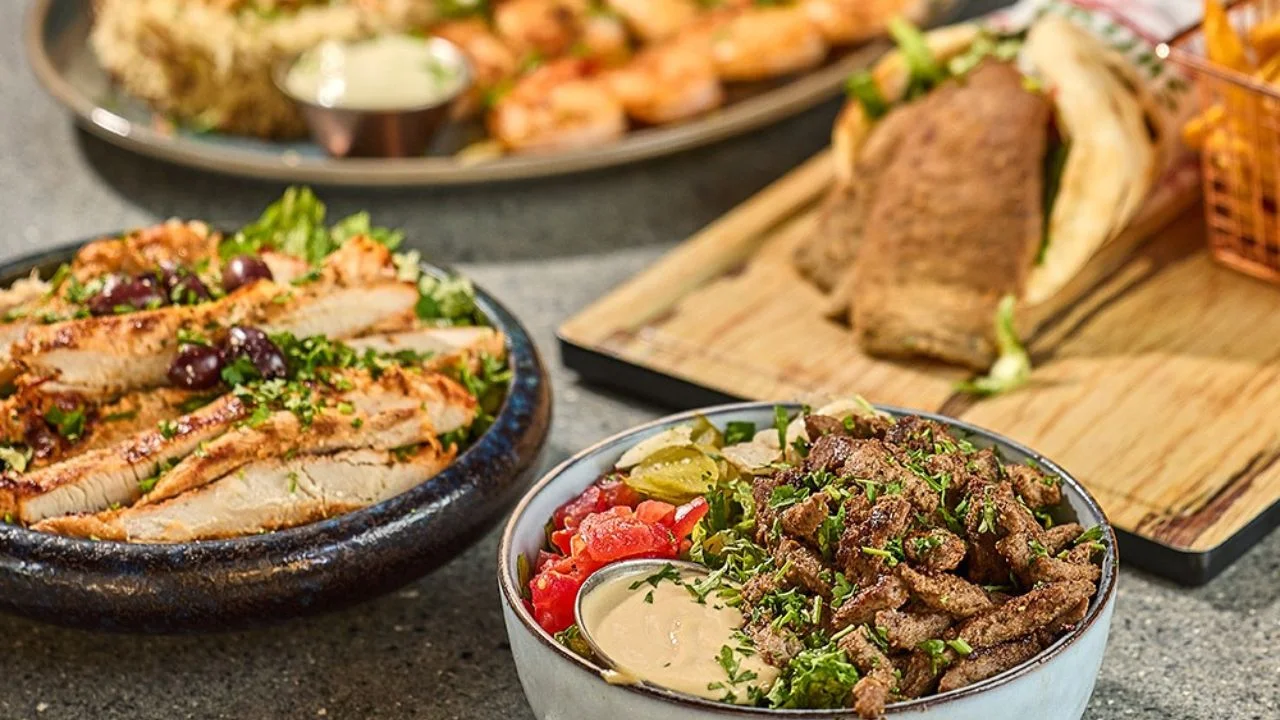
Oregano is sharp, bright, and slightly bitter. It cuts through fat and adds balance. Greek and Turkish kitchens rely on it heavily.
Common uses include:
- Sprinkled over salads
- Mixed into meat marinades
- Added to yoghurt sauces
- Blended into spice rubs
If you taste a strong, fresh kick on grilled meat, oregano is often behind it. It keeps flavors clean and fresh.
4. Basil: Sweet and Fresh
Basil feels soft and sweet. It works best fresh. When torn by hand, it releases a mild pepper scent.
You will find basil in:
- Fresh salads
- Tomato dishes
- Herb spreads
- Light pasta
At Sufrat Grill, fresh herbs in salads give that green lift that feels light but satisfying. Basil plays well with olive oil and lemon.
5. Mint: Cool and Bright
Mint surprises many people. They expect sweetness. Instead, mint in savory food feels cool and refreshing.
It works beautifully in:
- Yogurt dips
- Tabbouleh
- Lamb dishes
- Fresh drinks
Mint balances heavy food. After a rich bite of grilled meat, mint resets your palate.
6. Parsley: The Fresh Finisher
Parsley is often seen as decoration. That is a mistake. In Mediterranean kitchens, parsley is a main herb.
Flat leaf parsley adds freshness to:
- Grain salads
- Marinades
- Stuffed vegetables
- Herb sauces
It adds color and a clean taste. Without parsley, many dishes would feel flat.
7. Sage: Warm and Earthy
Sage has a deep, warm note that works well with roasted food. You do not need much.
Best uses:
- Roasted chicken
- Butter sauces
- Stuffing mixes
- Slow-cooked meat
Sage feels comforting. Like a warm kitchen on a cool night.
8. Dill: Light and Green
Dill tastes grassy and slightly sweet. It pairs well with yoghurt and fish.
You will mostly see dill in:
- Cucumber salads
- Yogurt dips
- Rice
- Seafood
It gives brightness without sharpness.
9. Bay Leaf: The Silent Builder
Bay leaf does not shout or call for attention. It simmers quietly in soups and stews, and then it disappears.
It is used in:
- Lentil soup
- Slow-cooked beans
- Rice pilaf
- Broths
You remove it before serving. But without it, depth is missing.
10. Marjoram: The Gentle Cousin
Marjoram is similar to oregano but softer. It adds a sweet herbal note.
It goes best in:
- Chicken dishes
- Tomato sauces
- Light stews
- Herb blends
It smooths sharp flavors and rounds them out.
Mediterranean Herbs and Spices in Real Dining Experiences
Now you might think, “This sounds great, but where do I experience this fully?” Reading is one thing, tasting is another.
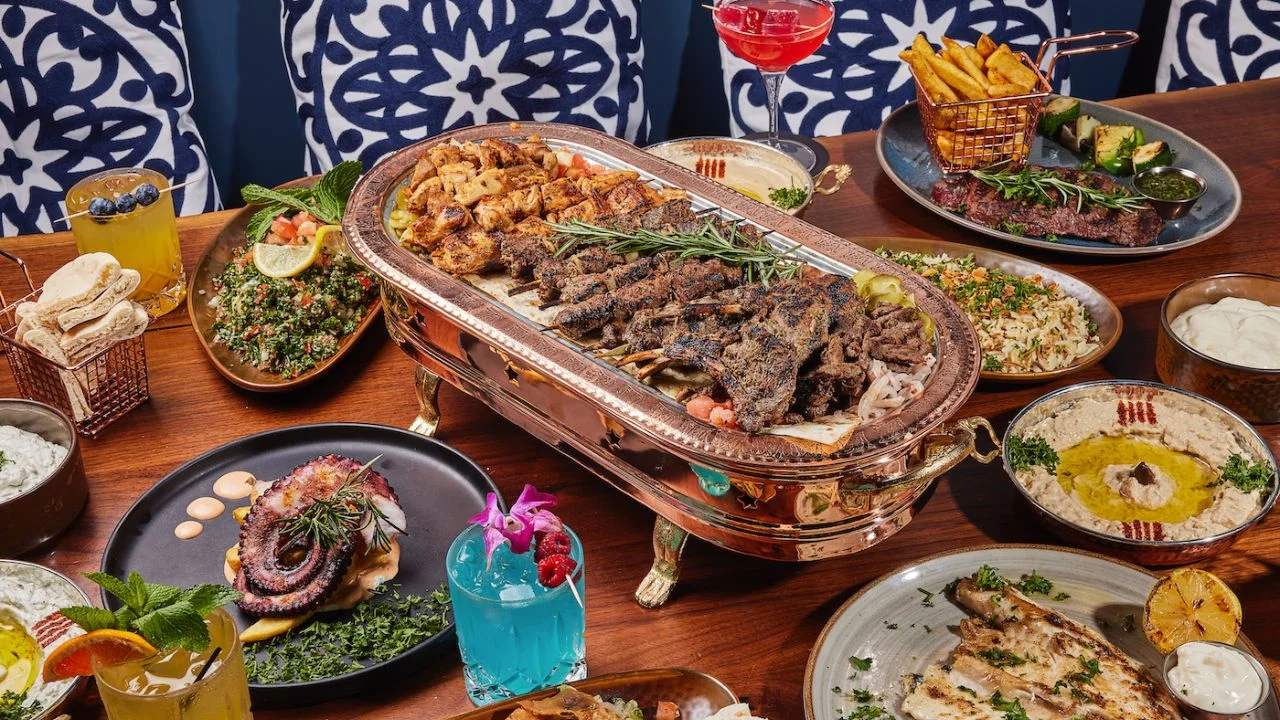
One of the most loved experiences at Sufrat Grill Private Events is hosting a private event. Birthdays, family dinners, business gatherings. Food is served family style, platters in the center, and warm bread is passed around.
This is not just dinner. It feels like home.
You may ask:
“Is this okay for a small group?”
Yes. Private events can be intimate. You do not need a huge crowd.
“Is it worth the cost?”
If you value shared food, fresh ingredients, and attentive service, it often feels more personal than a standard restaurant booking.
“Will guests enjoy the flavors?”
Mediterranean flavors are balanced. Not too spicy or heavy. Most guests find something they love.
When herbs are fresh and used with care, dishes feel lighter. You leave satisfied but not overwhelmed.
Reliable Ingredients That Make a Difference
Flavor does not come from herbs alone. It comes from pairing them with quality staples:
- Extra virgin olive oil
- Fresh lemon juice
- Sea salt
- Good yogurt
- Warm pita bread
When these combine with Mediterranean herbs, the result feels honest and real. There is no heavy cream or artificial taste.
At Sufrat Grill, this balance shows in the grilled meats, rice platters, and salads. You can taste the freshness.
Understanding Herbs Changes the Way You Taste Food
When you understand what rosemary or thyme actually brings to a dish, you stop eating on autopilot. You begin to notice the depth and the subtle shifts in flavor. And naturally, you slow down.
The next time you dip warm bread into olive oil mixed with herbs, pause for a second. What reaches you first? A pine-like note from rosemary? A hint of lemon from thyme? A soft, earthy scent? That small moment of attention makes the meal feel fuller and more meaningful.
Mediterranean herbs are not meant to impress with complexity. They shine because of balance. Plants are grown under strong sunlight. Cooking kept simple. Flavors that feel clean and true.
Ready to Taste the Difference?
Reading about herbs is one thing. Sitting down to a warm plate filled with fresh flavor is something else.
When rosemary hits the grill, and thyme blends into rice, you can smell it before you even take a bite. The food feels real. Not heavy or forced, but just honest and full of life.
If you want to experience Mediterranean cooking the way it should be enjoyed, gather your people and make it a meal to remember.
Explore the menu, see what speaks to you, and plan your visit to Sufrat Grill.


