Kunafa: A Mind-blowing Middle Eastern Dessert
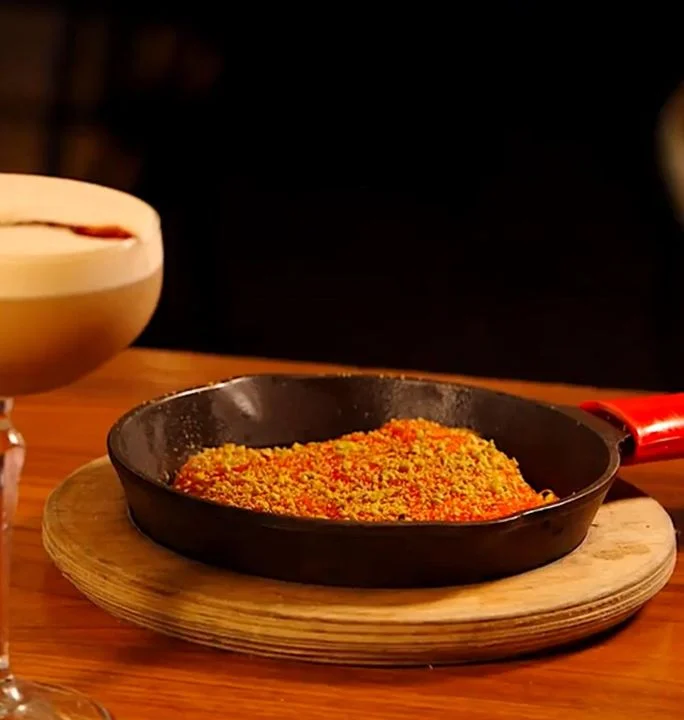
Kunafa is a warm, cheese-filled pastry soaked in sweet syrup. It's one of the most beloved desserts across the Arab world. Crispy on top, gooey in the middle, and impossible to forget.
What Is Kunafa Made Of?
Kunafa is built upon three things. The first is the pastry. It’s called kataifi and is essentially fine strands of phyllo dough. These strands take a crisp texture when baked or cooked in butter.
The second element is cheese. Traditional recipes call for soft, stretchy cheese like Nabulsi or Akkawi. Both are known for holding their shape when melted. Many modern versions swap in mozzarella instead. It's easier to find outside the Middle East.
The third element is syrup. A simple mixture of sugar, water, and lemon juice gets poured over the hot pastry right after baking. Many cooks add rose water or orange blossom water for extra fragrance. Crushed pistachios usually finish the dish, adding color and a bit of crunch.
Types of Kunafa
Kunafa isn't one single dessert. It shifts in texture, cheese, and style depending on where it's made.
Egyptian Kunafa (Konafa)
In Egypt, kunafa often leans sweeter and more playful than its Levantine cousin. Bakers there experiment freely, adding fillings like mango, banana, or clotted cream alongside the classic cheese version. Egyptian kunafa also tends to appear in the north, especially around Cairo and the Nile Delta. The base is usually kataifi noodles mixed with butter, and sometimes soft ricotta-style cheese replaces the harder brine cheeses used elsewhere.
Indian Kunafa Variations
Kunafa has found a growing fan base in India too, though it isn't a traditional dish there. Indians have created a ‘distinctly their’ version of this dessert. They add flavors like saffron and cardamom. Some even add chocolate! This immensely alters the taste of the final sweet treat. There are also some other variants that don’t add cheese at all. They create a sweeter filling of nuts. This appeals to the general Indian taste. It's less about tradition here and more about creative reinvention.
Levantine Kunafa (Palestine, Lebanon, Jordan, Syria)
This is the version most people consider the true original. Levantine kunafa, especially the kind made in Nablus, Palestine, uses Nabulsi cheese as its heart. That cheese brings a distinct, slightly salty flavor that pairs perfectly against the sweet syrup on top. Food historians trace much of this recipe's development to medieval Arab kitchens, where royal courts experimented with elaborate pastries using wheat, honey, and fresh cheese. Over centuries, the Levant refined this into the baked, cheese-filled version people recognize today.
Why Does Kunafa Taste So Different Depending on Where You Try It?
The answer lies in history and geography. Food historians trace kunafa's roots back over a thousand years. Some point to the late Umayyad period in Damascus. Others argue it emerged during the early Abbasid era instead.
One popular story tells of a caliph obsessed with new recipes. He reportedly offered a food's weight in gold to inventive cooks. That contest, held in open markets, sparked a wave of culinary experiments. Word of these creations spread slowly through travelers and traders.
Before kunafa took its modern shape, an early cousin existed in Andalusia. Cooks there made a dish called jubbaniyya. It was fried cheese covered in wheat. It got drizzled with honey and sometimes rosewater on top. Around the same era, another dessert called katayef also emerged. These were small pancakes, often stuffed with nuts or cheese. Stale katayef batter got rehydrated, boiled with honey, and thickened slowly. That early method laid the groundwork for what became kunafa.
As the dish spread through trade and migration, regions reshaped it freely. Turkey developed its own technique using a perforated pouring tool. Cooks dribbled batter through it onto a hot metal griddle.
This method created the signature thin strands seen in kunafa today. Interestingly, early Ottoman versions used nuts instead of cheese entirely. Historians believe cheese only entered kunafa later, borrowed from a cheese-filled baklava tradition popular in parts of Turkey.
Palestine took a different path, leaning into its own cheese-making traditions. Nablus became known for a distinct, salty cheese made from sheep and goat milk. That cheese, paired with handmade semolina dough, created the Nabulsi style beloved today. Each region pulled from local ingredients, techniques, and available tools. That's exactly why kunafa never tastes quite the same twice.
What Is the Best Kunafa in the World?
Ask most food travelers, and they'll point straight to Nablus. This West Bank city has built its entire culinary identity around kunafa, with bakeries lining its old souk streets. Nablus even earned a Guinness World Record for the largest kunafa ever made, weighing close to one and a half tons.
Nablus are the center attraction because of one thing. It is their Nabulsi cheese. They make it locally and it does wonders to the dessert. It gives it a texture that no one in any part of the world can recreate. Bakers there believe in freshly baking the dessert. They bake all day, slicing just-made, hot portions from the tray itself. Many people believe that the kunafa at Nablu is the dish at its authentic best.
How Is Kunafa Made at Home?
Making kunafa at home is easier than most people expect. Here's how it comes together, step by step.
- Make the syrup first: Take a pot and into it pour a concoction of three things. These are sugar, water, and a squeeze of lemon juice. Let this mix boil and then cook it gently for 10 minutes. Stop when you see that the mix has thickened. Now, set it aside to cool.
- Prepare the kataifi dough: Cut fine strands of kataifi dough into tiny pieces. Use your hands or a food processor. Now, pour the butter that has melted over this dough. Vigorously mix so that the butter wraps up each strand.
- Prepare the cheese filling: Grate or chop the cheese into small pieces. Mix it with a bit of thick cream for extra richness. Set the mixture aside until you're ready to assemble.
- Build the base layer: Grease a baking pan with a little melted butter. Press half of the buttered kataifi dough firmly into the pan. Use the bottom of a cup to pack it down evenly.
- Add the cheese layer: Spread the cheese and cream mixture evenly over the pressed dough. Make sure it reaches all the edges of the pan.
- Top and seal: Cover the cheese completely with the remaining kataifi dough. Press down gently so the layers hold together while baking.
- Bake until golden: Place the pan in an oven preheated to 350°F. Bake for 40 to 50 minutes, until deep golden brown on top.
- Add the syrup: Remove the kunafa from the oven immediately. Drizzle warm syrup generously over the hot surface right away.
- Rest and flip: Let it sit for a few minutes so the syrup soaks in fully. Carefully flip it onto a serving plate.
- Garnish and serve: Sprinkle crushed pistachios evenly across the top. Serve warm, while the cheese is still soft and gooey.
Savor Traditional Kanafeh at Sufrat Grill

At Sufrat Mediterranean Grill, kanafeh holds its place among the dessert lineup, alongside baklava and tiramisu. It follows the classic approach that's made this dessert famous across generations: warm, cheese-filled layers wrapped in golden, syrup-soaked pastry.
It's the kind of dish best shared at the end of a meal, after a platter of grilled kebabs or a plate of fresh fattoush. Sufrat's South Florida locations, spanning Pembroke Pines, Doral, and Miami Beach, each serve this dessert as a way to close out a Mediterranean meal on a sweet, memorable note. For anyone new to kunafa, it's a welcoming introduction to a dessert with centuries of history behind it.
FAQs
How many types of kunafa are there?
Kunafa comes in several regional types, including Nabulsi, Egyptian, and Turkish versions. Within these, bakers further separate styles by pastry texture, using either shredded noodle-style dough or finer semolina dough. Some kitchens even blend both textures together, creating a hybrid style unique to their region.
What is the best kunafa in the world?
Nablus, in the West Bank, is widely regarded as the birthplace of the finest kunafa. Its bakers use Nabulsi cheese, which gives the dessert its signature salty-sweet balance. The city's deep-rooted kunafa culture and long baking tradition have earned it global recognition among dessert lovers.
Which country is kunafa originally from?
Kunafa's exact origin remains debated among food historians, with theories pointing to medieval Egypt, Damascus, or Andalusia. Most agree its modern baked form, using cheese and kataifi pastry, developed in Palestine, particularly Nablus, which remains the dish's most recognized cultural home today.


