Mediterranean vs. Middle Eastern Food: Differences & Similarities
Mediterranean food comes from countries around the Mediterranean Sea. Middle Eastern food comes from Southwest Asia and nearby regions. The two do have quite a bit of overlap. Still, they aren't the same.
Key Takeaways
- Mediterranean food covers the south part of Europe and North Africa. It also covers regions of the Levant.
- Middle Eastern food originates from Southwest Asia. Three prominent countries where this food comes from are Jordan, Syria and Southwest Asia.
- Mediterreans dishes use olive oil, grains and seafood as the base on which numerous recipes are built.
- Middle eastern dishes focus on rice, yoghurt-based dishes and warm spices as the foundation of their recipes.
- Trade paths led to both cuisines being mixed with each other. This led to both types of food traditions sharing multiple aspects.
- Sufrat Grill blends both traditions, serving Jordanian and Mediterranean dishes together.
Mediterranean vs. Middle Eastern Food Geography
Mediterranean cuisine comes from the countries bordering the Mediterranean Basin. That includes:
- Greece
- Italy
- Spain
- Parts of North Africa
It's not one single cuisine, but many regional styles sharing similar ingredients.
Middle Eastern cuisine covers a wider stretch of Southwest Asia, such as:
- Lebanon
- Syria
- Jordan
- Israel
- Iraq
These two geographic zones overlap immensely. This is especially pronounced around the eastern Mediterranean coast, where Lebanon and Syria sit.
Origins of Mediterranean and Middle Eastern Food
The Mediterranean way of eating has a deep past. We come across them first in the diets of ancient Greeks and Romans. During the very beginning, three ingredients acted as the base of all meals. These were olive oil, wheat, and wine. Then, eventually, trade and wars made these meals a lot richer. Ingredients from nearby regions spilled into Mediterranean food.
The story of Middle Eastern food also goes very far back. Medieval Arab dishes exerted an immense influence on this cuisine. When the Islam was at its prime, cooks mixed ingredients from varied places. These ingredients came from Persia, North Africa, and India. Mediterranean influence was also huge. Throughout the trading paths, spices and rice dishes rapidly spread. This exchange shaped much of what we now call Middle Eastern cooking.
Essential Ingredients in Mediterranean Cuisine
Olive Oil
Olive oil sits at the center of nearly every Mediterranean dish. It's used for cooking, dressing salads, and finishing meals.
Wheat and Grains
Bread, pasta, and couscous all rely on wheat. Grains form the base of most Mediterranean meals.
Vegetables
Tomatoes, eggplant, zucchini, and peppers appear constantly across Mediterranean cooking.
Fruits
Citrus, figs, and grapes are common, eaten fresh or used in cooking.
Legumes
Chickpeas, lentils and beans supply plant-powered protein throughout the region.
Nuts and Seeds
Almonds, sesame seeds, and pine nuts add depth and contrast to dishes.
Seafood
Shellfish and fish are two main items that cover up the protein needs in coastal places.
Herbs
Flavor is prominently the result of oregano, basil, and rosemary.
Dairy
Mediterranean meals are finished up with yoghurt and feta.
Essential Ingredients in Middle Eastern Cuisine
Rice
Rice acts as the preferred base upon which primary dishes are built.
Warm Spices
Texture and contrast in dishes comes from cinnamon, cloves, and cumin.
Saffron
Saffron is the star and most valuable spice. It adds a wonderful natural scent to rice and stews.
Pomegranates
Salads and sauces get their citrusy profile from pomegranate seeds and molasses.
Pistachios and Almonds
Savory dishes and sweet desserts get their distinct crunch from these two dry fruits.
Yogurt
Sauces and dips made out of yoghurt are a common part of Middle Eastern plates.
Lemons
Fresh and stored lemons add zest to stews and dips.
Grains
Daily cooking demands bulgur and rice in Middle Eastern households.
Why Do Mediterranean and Middle Eastern Cuisines Overlap?
Centuries of trade linked these regions closely. Ships and caravans carried spices, grains, and cooking techniques across borders. This constant exchange blurred the lines between what's "Mediterranean" and what's "Middle Eastern." Even Mediterranean vs. Middle Eastern food taste can feel similar. The reason is that both rely on many shared ingredients. This includes olive oil, lemon, and fresh herbs for brightness.
Ingredients Common in Mediterranean and Middle Eastern Cuisines
Olive Oil
Used across both regions for cooking and finishing dishes.
Chickpeas
A staple protein source in Mediterranean and Middle Eastern kitchens alike.
Eggplant
Grilled, roasted, or stewed, eggplant appears constantly in both cuisines.
Yogurt
Common in sauces, dips, and marinades across both regions.
Wheat
Used for bread, bulgur, and other grain-based dishes.
Lemons
A go-to souring agent in both cooking traditions.
Common Dishes in Mediterranean and Middle Eastern Cuisines
Hummus
This chickpea dip appears across the entire eastern Mediterranean and Middle East.
Falafel
Fried chickpea fritters are claimed and adapted by multiple countries in the region.
Stuffed Grape Leaves
Rice-stuffed grape leaves show up under different names across both cuisines.
Grilled Kebabs
Skewered, seasoned meat appears in Mediterranean and Middle Eastern menus alike.
The Role of Tradition in Mediterranean Cooking
Mediterranean cooking isn't just about ingredients. Home cooking plays a huge role. People prepare meals from scratch. Traditional pairs, like bread with olive oil, stay identical across generations.
Eating together is critical in this tradition. Families gather for shared meals. Eating separately is not seen much of. Seasonal cooking also influences the diet. Cooks choose produce based on what's fresh. Many households still grow herbs or vegetables at home, keeping that connection to the land alive.
Unique Traditions of Middle Eastern Food
Middle Eastern cooking carries strong traditions of hospitality and shared plates. Meals are often served family-style. The table is adorned with many dishes at once. This encourages sharing and stimulates conversation during the eating time.
Spice blending is another defining tradition. Cooks layer warm spices carefully. This lets them create complex flavors. They don't depend on heat alone to do all the work. Sweet and savory combinations are an integral component of this tradition. Dishes that pair meat with dried fruit or honey is a common sight. Flatbreads remain central too. Cooks use them to scoop, wrap, and serve alongside nearly every meal.
3 Delicious Mediterranean Recipes to Try
Saganaki Halloumi (Cypriot Fried Halloumi)
- Slice halloumi cheese into thick pieces, about half an inch each.
- Heat olive oil in a skillet over medium-high heat.
- Fry halloumi for two minutes per side until golden brown.
- Remove from heat and squeeze fresh lemon juice over the top.
- Sprinkle with dried oregano or mint before serving warm.
5-Ingredient Greek Chickpea Stew (Revithia)
- Sauté chopped onion in olive oil until soft and translucent.
- Add canned chickpeas along with their liquid to the pot.
- Stir in vegetable broth, a bay leaf, and black pepper.
- Simmer uncovered for 30 minutes until the broth thickens slightly.
- Finish with a generous drizzle of olive oil before serving.
Sheet-Pan Greek Chicken
- Toss chicken thighs with olive oil, lemon juice, and oregano.
- Add potatoes and red onion wedges to the same sheet pan.
- Roast at 425°F for about 40 minutes until chicken browns.
- Squeeze fresh lemon over everything once it comes out.
- Serve with a side of tzatziki or a simple green salad.
3 Yummy Middle Eastern Recipes
Lebanese Chicken With 7-Spice
- Mix Lebanese 7-spice blend with olive oil, garlic, and lemon juice.
- Coat chicken pieces fully in the spice marinade.
- Let the chicken marinate for at least 30 minutes.
- Grill or roast until the chicken is fully cooked through.
- Serve with rice, warm pita, and a side of yogurt sauce.
Homemade Falafel
- Soak dried chickpeas overnight, then drain them well.
- Blend chickpeas with garlic, onion, parsley, cumin, and coriander.
- Shape the mixture into small, tight patties or balls.
- Fry in hot oil until deeply golden and crisp outside.
- Serve in warm pita with tahini sauce and fresh vegetables.
Authentic Shakshuka
- Sauté onion and bell pepper in olive oil until softened.
- Add crushed tomatoes, cumin, and paprika, then simmer briefly.
- Create small wells in the sauce for the eggs.
- Crack eggs directly into the wells across the pan.
- Cover and cook until egg whites set but yolks stay soft.
Where the Flavors of Jordan Meet the Mediterranean
Sufrat Grill brings Jordanian roots and Mediterranean flavors together on one menu. Its story begins with three brothers sharing family recipes with South Florida. Locations in Pembroke Pines, Doral, and Miami Beach serve that same tradition today.
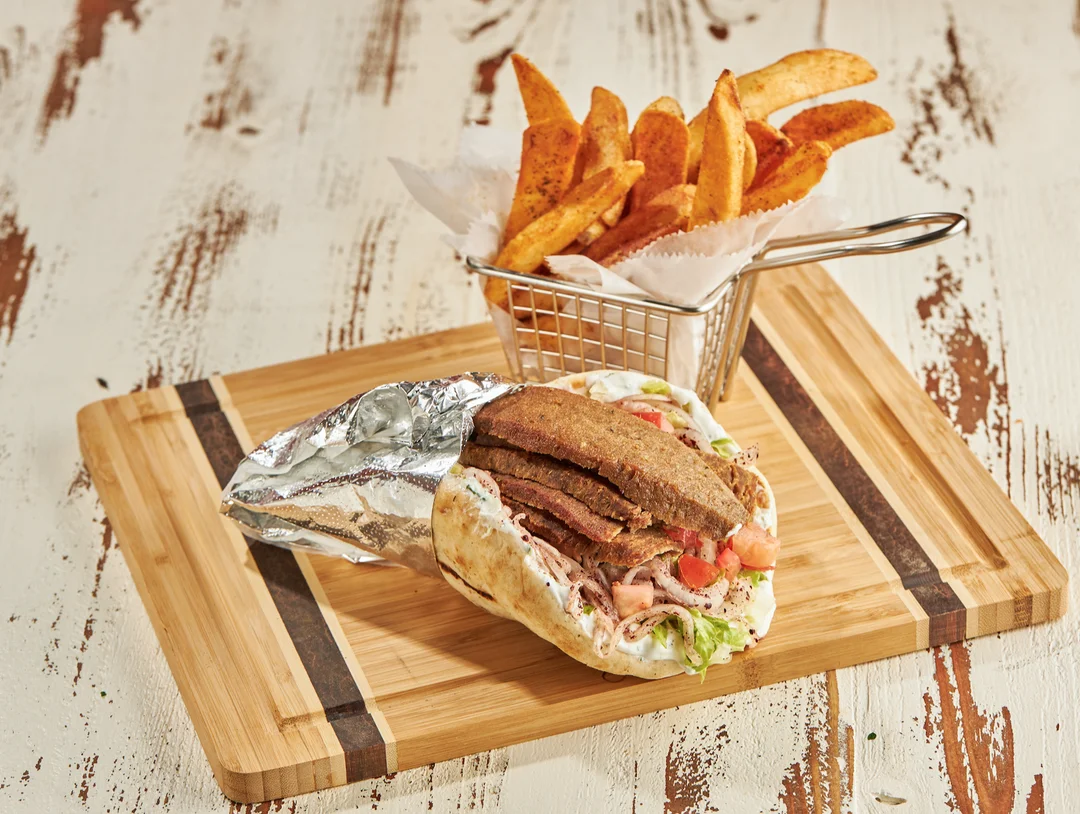
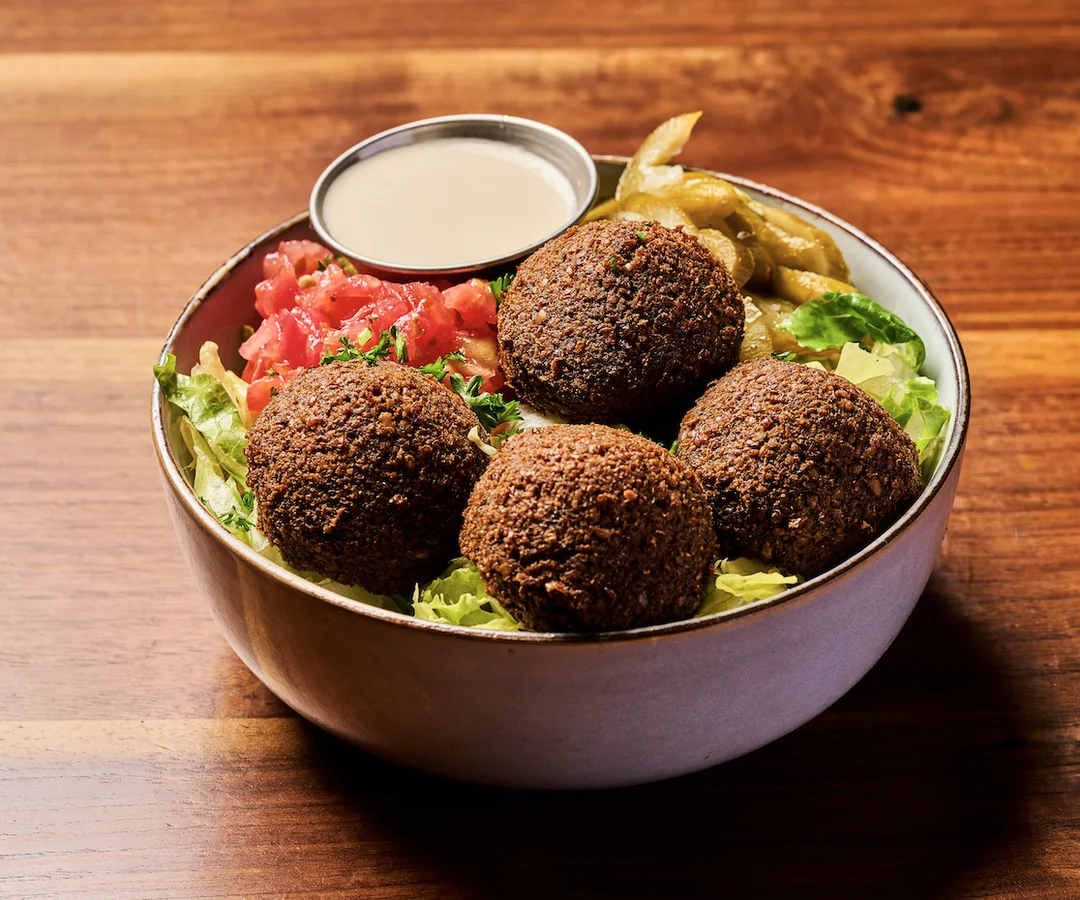
The menu reflects this blend clearly. The Gyro Lamb Sandwich brings classic Mediterranean flavor with roasted lamb and tzatziki. The Falafel Bowl leans into Middle Eastern roots, built around crispy chickpea fritters. A Mediterranean Salad rounds out the table with fresh vegetables and herbs. Together, these dishes show how naturally these two culinary worlds connect on one plate.
FAQs
What are the key differences between Mediterranean and Middle Eastern food?
Mediterranean food centers on olive oil, seafood, and grains from Southern Europe and North Africa. Middle Eastern food relies more on warm spices, rice, and yogurt from Southwest Asia. Geography and history shaped these distinct, though overlapping, culinary traditions.
Is Mediterranean food the same as Arab food?
No, they aren't the same. Mediterranean food spans many countries and cultures around the Mediterranean Sea, including non-Arab nations like Greece and Italy. Arab food is a specific subset, tied to Arabic-speaking countries, many of which overlap with Middle Eastern cuisine.
How is Lebanese food different from Mediterranean food?
Lebanese food is a specific Middle Eastern cuisine, sitting within the broader Mediterranean and Middle Eastern overlap zone. It leans heavily on herbs, bulgur, and mezze-style dishes. Broader Mediterranean food includes many other national cuisines beyond Lebanon.
Is hummus Mediterranean or Middle Eastern?
Hummus fits both categories, since it originates from the eastern Mediterranean and Middle East region. Countries across this overlapping zone, including Lebanon, Israel, and Greece, all claim variations of this chickpea-based dip as part of their culinary tradition.


