Mediterranean Diet for Gut Health: Eat Your Way to a Happier Gut
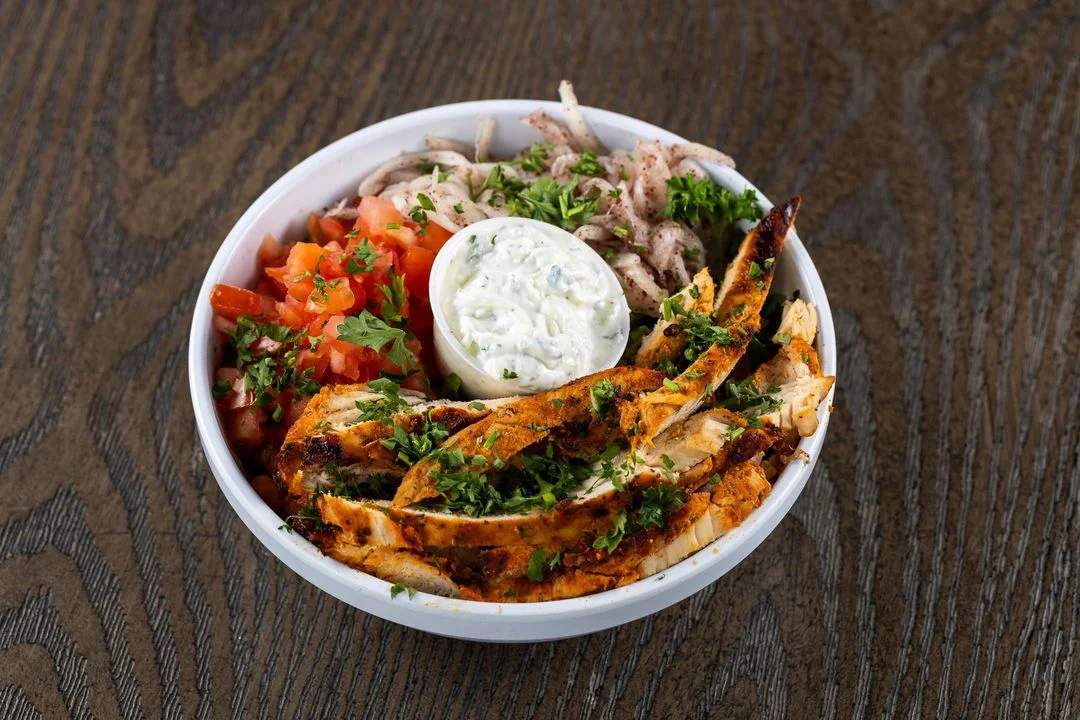
Mediterranean diet for gut health is less about dieting and more about eating in a way that your stomach quietly thanks you for later. It is simple food, slow meals, and ingredients that feel light after eating instead of heavy and tiring.
In South Florida, this idea becomes even more real because Mediterranean food is not just something to read about online. It is something you can actually sit down and eat at places like Sufrat Grill , where grilled meats, fresh salads, and simple flavors already match this gut-friendly way of eating.
Most people do not struggle with “knowing” what is healthy. The real struggle starts when hunger hits, time is short, and food choices become emotional instead of planned. That is where this style of eating quietly fits into real life.
Mediterranean Diet for Gut Health: Why Your Stomach Reacts So Well
The gut is extremely responsive. It notices heavy oils, processed food, rushed eating, and even stress during meals. Mediterranean eating reduces that pressure by keeping food simple and natural.
Instead of overloading the digestive system, it supports it gently.
Here is why the gut responds positively:
- Meals are built on fresh, whole ingredients
- Cooking methods are usually grilled or baked
- Olive oil replaces heavily processed fats
- Vegetables appear in almost every meal
- Herbs and spices are used instead of artificial sauces
- Portions are balanced instead of oversized
There is also a subtle but important effect. People often feel less “food fatigue” after eating. That means no heavy sleepiness or discomfort after meals.
A common thought appears here: Is this really different from normal, healthy eating?
The difference is consistency and simplicity. It is not extreme. It is repeatable.
Mediterranean Diet for Gut Health in Real Life, Not Theory
Healthy eating often fails when it becomes too complicated. Real life is messy. People eat between work, errands, family time, and social plans.
That is where Mediterranean eating fits naturally. It does not demand perfection but offers choices.
In South Florida, this becomes even easier when dining out at places like Sufrat Grill , where food already follows a Mediterranean style.
Instead of thinking in rules, it becomes about simple decisions like:
- Grilled instead of fried
- Fresh instead of processed
- Light sauces instead of heavy cream-based ones
- Balanced portions instead of oversized meals
Common Mediterranean-style foods that support gut health:
- Grilled chicken kebabs with seasoning
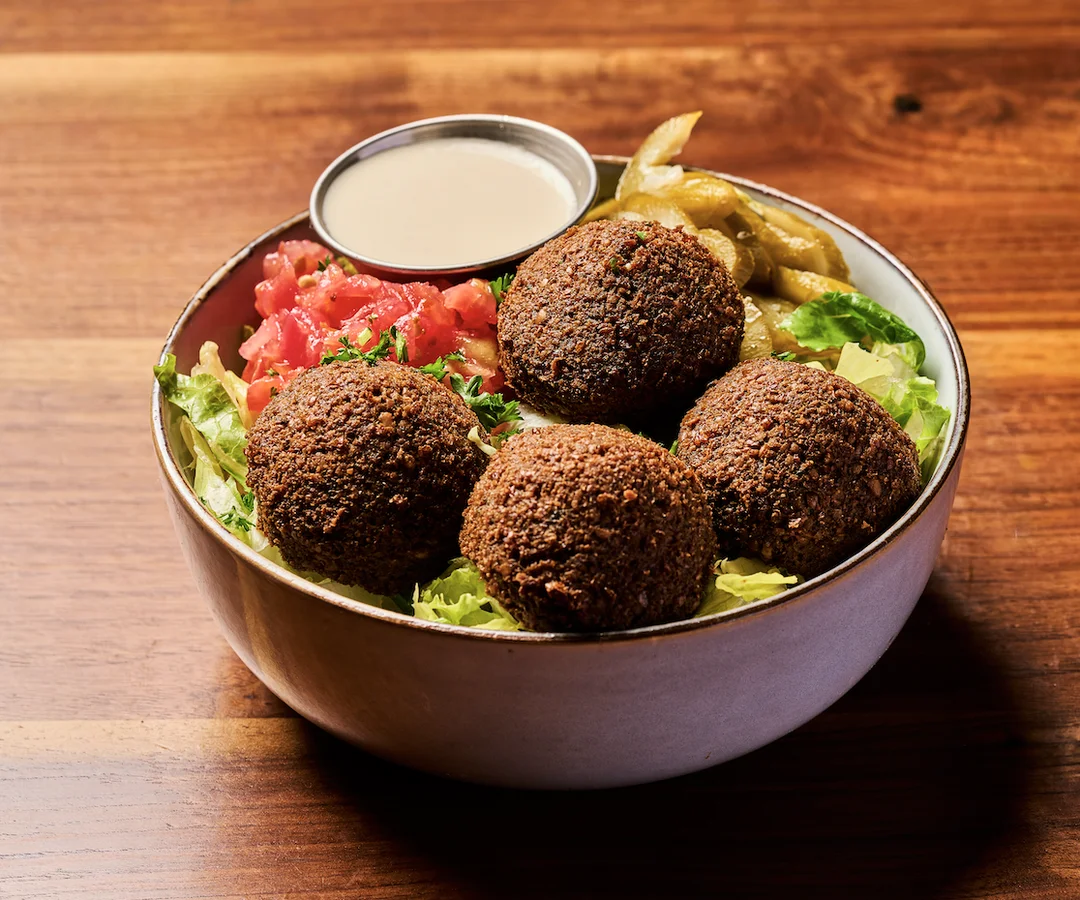
- Falafel made from chickpeas and herbs
- Hummus served with warm pita bread
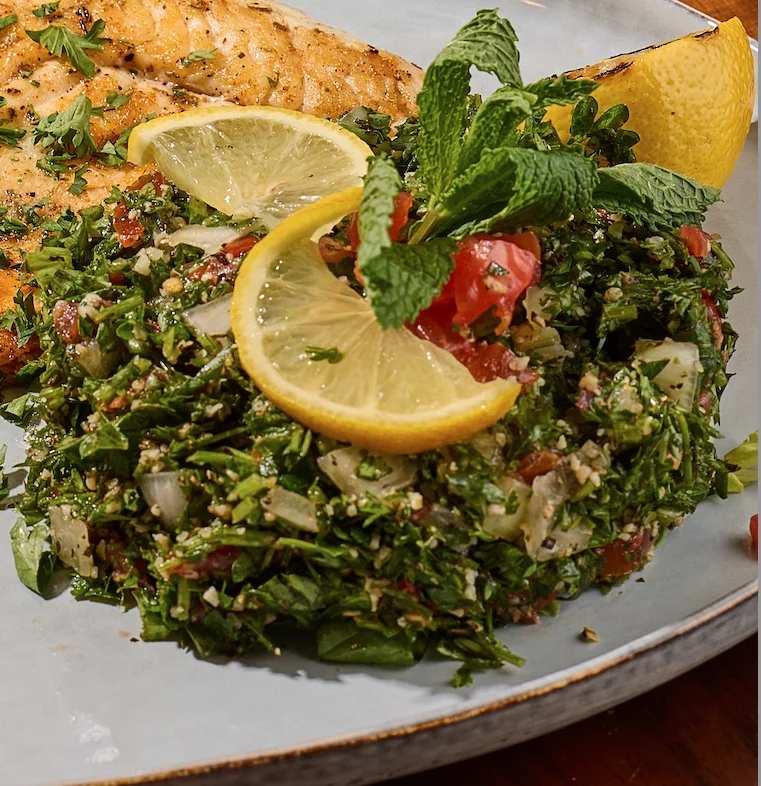
- Fresh salads with olive oil and lemon
- Rice bowls with grilled proteins
- Yogurt-based dips that feel light and cooling
These are not “diet foods.” They are normal meals that just happen to feel better in the body.
A real-life question often comes up here:
Can eating out still support gut health?
Yes, but only when choices are intentional.
Mediterranean Diet Recipes for Gut Health
Most diets fail because cooking feels too hard. Too many steps. Too much thinking after a long day.
Mediterranean eating keeps it simple with no pressure, just easy food choices.
Some simple meal ideas:
- Grilled chicken with hummus and salad
- Falafel with fresh vegetables and tahini
- Chicken kebab with rice
- Salad with olive oil and lemon
- Rice bowls with grilled meat and veggies
It is not about fancy cooking. It is about balance on the plate.
A few small habits also help:
- Eat vegetables daily
- Use olive oil instead of heavy sauces
- Drink more water
- Avoid fried food most of the time
And no, you don’t need to cook everything at home. That’s the point. You can eat smart even when you’re eating out.
Eating Mediterranean Food in South Florida Feels Natural
South Florida has a busy and social food culture. People eat out a lot, meet friends, and try different foods often. So healthy eating should fit that lifestyle, not fight it.
Mediterranean food works well here because it already matches what people enjoy. Things like grilled meats, fresh vegetables, rice, and shared plates feel very familiar.
At Sufrat Grill , this style of food feels easy and natural. It is not called “diet food.” It is just fresh, tasty, and balanced meals that you can enjoy without overthinking.
When people eat out, small thoughts usually come up:
- Should I pick grilled chicken or fried chicken?
- Will hummus keep me full without feeling heavy?
- Is rice too much for me today?
- Will I feel light after eating this meal?
- How will I feel after eating, not just during it?
These are simple, everyday choices. Mediterranean food helps make those choices easier without stress.
Mediterranean Diet for Gut Health & the Role of Consistency
Gut health does not change in one meal. It builds slowly over time. One healthy meal helps, but real change comes from doing it again and again. That is why consistency matters more than perfection.
Small changes can still make a big difference:
- Choosing grilled food instead of fried food
- Adding vegetables to most meals
- Using olive oil instead of heavy sauces
- Eating slowly instead of rushing
- Keeping portion sizes balanced
After a few weeks, many people start noticing changes like:
- Less bloating after meals
- More steady energy during the day
- Less heaviness at night
- Easier and more comfortable digestion
A simple question often comes up:
Is this really worth changing habits for?
It depends on how your body feels every day. Most people only understand the value when their stomach starts feeling lighter and more comfortable.
Mediterranean Dining Experience in South Florida with Sufrat Grill
Mediterranean eating is not about strict rules. It is about noticing how food makes you feel after you eat.
Some meals feel heavy. Some meals feel light. Your body slowly learns the difference.
Over time, you may notice:
- Less heaviness after meals
- A calmer stomach
- More steady energy
- Fewer cravings for greasy food
- Better food choices without stress
It does not happen overnight. It happens slowly, one meal at a time.
The simple idea is this:
- Eat food that feels good after you eat it
- Don’t force strict rules on yourself
- Choose balance more often
- Keep meals simple and fresh
In the end, it is not about giving up food you love. It is about finding food you enjoy and still feel good after.


