Lebanese Food in Miami, FL: Dishes to Try
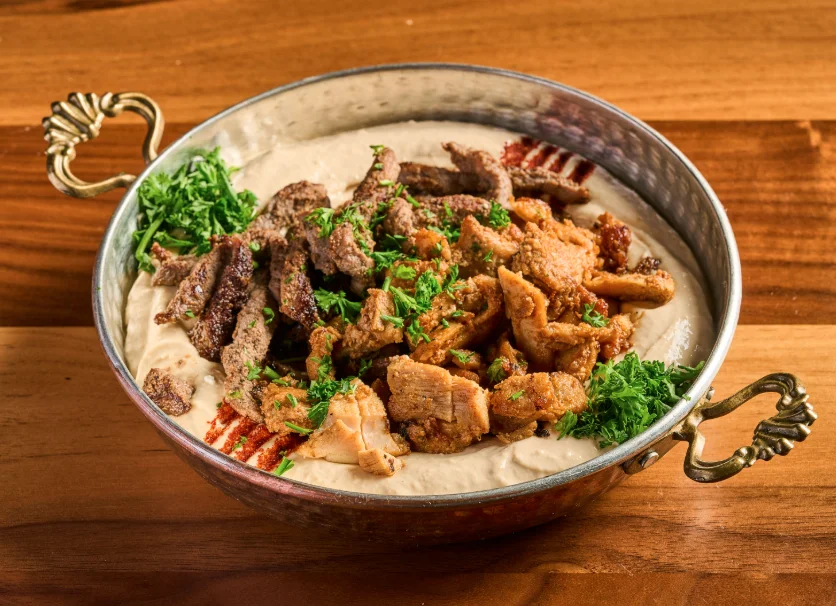
When thinking of Lebanese food in Miami, the things that come to mind are fresh dips, grilled meats, and bright, herb-infused salads. The best dishes to try first are hummus, tabbouleh, kibbeh, manakish, and fattoush. Each one originates from old Lebanese cooking traditions. Today, you can easily find these across South Florida.
What Are the Top 5 Lebanese Dishes?
Lebanese cuisine runs deep, with dozens of beloved dishes passed down through generations. These five stand out as the best starting point for anyone new to this food.
Hummus
Hummus might be the most recognized Lebanese dish worldwide. At its core, it's a smooth blend of cooked chickpeas, tahini, lemon juice, and garlic, whipped until creamy. A drizzle of olive oil completes the dish. At times, a sprinkle of paprika or whole chickpeas on top are added. It further enhances the dish.
What makes hummus so beloved is its simplicity. Just a handful of ingredients come together to create something rich, nutty, and satisfying. It's almost always served with warm pita bread for scooping. This makes it a great start for any Lebanese meal.
Variations exist across the region. Some kitchens add roasted garlic or extra tahini for a more intense flavor. Others top it with sautéed meat or mushrooms for a heartier version. No matter the style, hummus is always a part of Lebanese tables. Its popularity is so high that it is today one among the most exported Lebanese foods globally.
Tabbouleh
Tabbouleh adds a unique twist to the general salad formula. There are no leafy greens as the base. The dish’s main flavor comes from finely chopped parsley. It makes up the majority of what's in the bowl. Bulgur wheat plays a smaller supporting role. It adds a light, nutty texture without dominating the herbs.
Fresh tomatoes and a bit of chopped onion merge with parsley. A tossing of lemon juice and olive oil coats everything. That's really all tabbouleh needs. No heavy spices, no complicated dressing. Just vivid citrus and good oil that let the parsley shine through.
Lettuce leaves or pita accompany this dish. It’s almost used almost like a scoop. Tabbouleh doesn’t add much starch and has zero dairy. Tabbouleh is light and refreshing. It’s a perfect counterpoint to richer grilled dishes on the table. You’ll see it in every Lebanese household. It’s a part of casual weeknight dinners as well as larger celebrations.
Kibbeh
Kibbeh is considered the country's national dish. At its most traditional, it combines finely ground meat, usually beef or lamb, with soaked bulgur wheat and warm spices.
There are several ways to prepare kibbeh. One popular version shapes the mixture into small torpedo-shaped croquettes. It is stuffed with a seasoned meat filling, then fried until golden and crisp outside. There’s another version as well. It is called kibbeh nayyeh. This variant serves the meat and bulgur mixture raw, finely minced and seasoned.
There’s yet another version, which is baked one. It is pressed into a tray with a filling layered in the middle, then sliced into pieces after cooking. Each style delivers a different texture. But all share that same base of meat, bulgur, and warming spices.
Manakish
Manakish is sometimes described as Lebanese flatbread pizza. But this comparison only tells part of the story. This dish starts with fresh dough. It is rolled thin and topped before baking like a pizza base. But the toppings are what differentiates it.
The most traditional version uses za'atar. It’s a fragrant blend of dried thyme, sumac, and sesame seeds, mixed with olive oil. It is spread across the dough. Once baked, the top turns fragrant and slightly crisp. Za’atar has a distinctive herby, tangy flavor that nothing can replicate.
Other versions swap in cheese, or a spiced ground meat topping. Whichever way it's made, manakish is served with fresh vegetables like tomato, cucumber, and mint alongside it. Then, it is folded over, and eaten by hand. In Lebanon, this dish is part of breakfast. But it works just as easily as a light lunch or snack.
What Are the 7 Spices in Lebanese Cuisine?
Lebanese seven spice is called baharat. It forms the backbone of flavor in countless dishes. Despite the name, the exact number of spices varies by household. ‘Seven" often just signals a well-balanced blend and not a strict count.
The most common spices in this mix include black pepper, allspice, cinnamon, coriander, and cumin. Cloves and nutmeg finish things out. It gives the blend its warm, slightly sweet undertone. Some cooks also add a touch of ground ginger or cardamom.
This blend appears across Lebanese cooking, seasoning everything from grilled meats to rice dishes and stews. It's what gives dishes like kafta, shish taouk, and many meat-based stews their signature warmth. Each spice merchant and home cook tends to have their own preferred ratio. It is not random. Instead, it’s passed down and adjusted over generations.
What Is a Traditional Lebanese Breakfast?
A Lebanese breakfast looks nothing like a quick bowl of cereal. It's closer to a small, unhurried spread. It’s built around several dishes served together.
Labneh sits at the center of most Lebanese breakfast tables. This thick, strained yogurt gets served in a bowl. It is topped generously with olive oil and sometimes a pinch of dried mint. Bread gets torn, never cut, and used to scoop it up.
Alongside labneh, you’ll always see a small plate of za'atar and a separate pool of olive oil. The cook first dips the bread into the oil and then into the za'atar. This lets the herbs stick. Fresh vegetables round out the dish. Vegetables like cucumber, tomato, and radish are placed on the table in a straightforward manner and not arranged in a certain way.
Olives, both black and green, are always a constant presence. Eggs make frequent appearances too, usually simply fried or boiled rather than elaborately prepared. A small plate of homemade jam often adds a touch of sweetness to a majorly savory table.
Experience Lebanese Flavors at Sufrat Grill
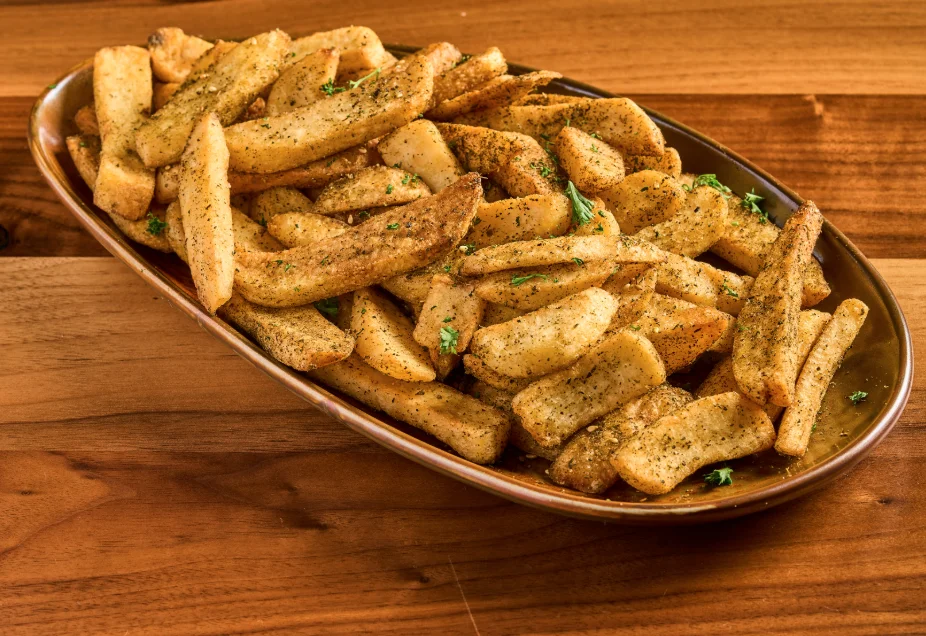
Sufrat Mediterranean Grill brings many of these same Lebanese and broader Levantine staples to its South Florida menu. Diners can start with a Sufrat Dip Sampler, featuring hummus, baba ghanouge, muhammara, and labneh. The spread closely resembles a traditional Lebanese mezze table.
Fresh salads are well represented too. Both tabbouleh and fattoush are part of the menu. They are made with the same parsley-forward and pita-crunch approach found in traditional Lebanese kitchens. For something heartier, Sufrat's Kibbeh comes as golden, fried croquettes stuffed with seasoned ground beef. It acts as a savory appetizer true to its Lebanese roots.
Grilled kebab platters, including beef, chicken, and kafta, reflect the same warm spice blends found throughout Lebanese cooking traditions. Sandwiches like the Beef Shawarma and Gyro Lamb bring that same Levantine street food spirit to a handheld format. These dishes perfectly suit a casual lunch.
Whether you're craving a familiar favorite or trying Lebanese food for the first time, Sufrat's Pembroke Pines, Doral, and Miami Beach locations offer an accessible way to explore these dishes across South Florida.
Frequently Asked Questions
1. What exactly is za'atar?
Za'atar is a fragrant spice blend made from dried thyme, sumac, and toasted sesame seeds. It's mixed with olive oil and spread on bread, sprinkled over dips, or used to season meats and vegetables. Its tangy, herby flavor is a defining element of Lebanese cooking.
2. What's the difference between Lebanese and Middle Eastern food?
Lebanese food is one specific cuisine within the broader Middle Eastern food category. While Middle Eastern cuisine spans many countries, Lebanese cooking has its own identity, shaped by distinct ingredients like za'atar, sumac, and seven spice, along with dishes like kibbeh and manakish.
3. What is the most popular Lebanese dessert?
Baklava is widely considered Lebanon's most popular dessert. Made from layers of thin filo dough, chopped nuts, and sweet honey syrup, it's a staple at celebrations and everyday gatherings alike. Many Lebanese families consider it a point of pride to make or buy quality baklava.
4. What is the most eaten food in Lebanon?
Bread, specifically Lebanese pita, is eaten with nearly every meal in Lebanon. Alongside it, dishes like hummus, tabbouleh, and labneh appear constantly across breakfast, lunch, and dinner tables, making these staples some of the most consistently eaten foods throughout the country.


