Is Greek and Mediterranean Food the Same? 7 Surprising Differences
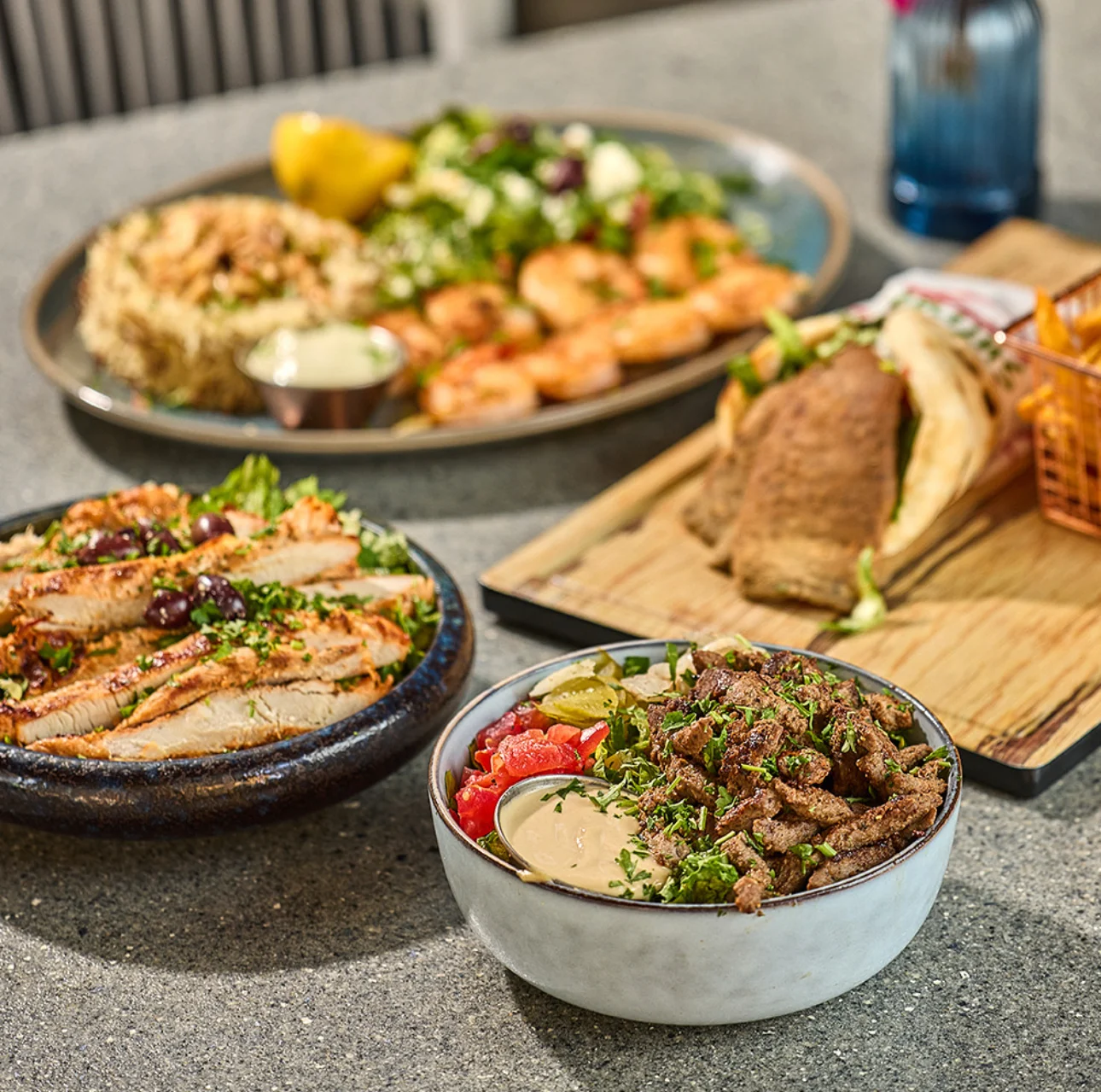
Greek food and Mediterranean food are not the same, even though they often look similar on restaurant menus. Greek food is part of Mediterranean cuisine, while Mediterranean food includes several countries such as Lebanon, Turkey, Jordan, and Greece.
In South Florida, this confusion is very common. Many people search for Greek vs Mediterranean food when they are deciding where to eat. Both styles often offer grilled meats, pita, rice, and fresh salads, which can look almost the same at first glance.
A Greek restaurant can sit right next to a Mediterranean grill on the same street. The menus often overlap in ingredients and presentation. This is why many diners assume they are the same type of food until they actually order and taste the difference.
So the main question is simple: is Greek and Mediterranean food the same?
The answer is no. The difference becomes clear once you move beyond the menu and focus on the flavors, variety, and cooking style.
Greek vs Mediterranean Food at a Glance
Point Greek Food Mediterranean Food
Origin Greece Multiple countries
Menu More focused More variety
Familiar dishes Gyros, souvlaki Shawarma, falafel, kebabs
Flavor style Light, lemon, oregano Broader spice profile
Dining style Individual plates Sharing is more common
The real differences show up at a table in a South Florida restaurant, not in theory.
Is Greek and Mediterranean Food the Same? 7 Real Differences Explained
1. The Menu Looks Familiar Until It Doesn’t
Most people open both menus expecting the same experience.
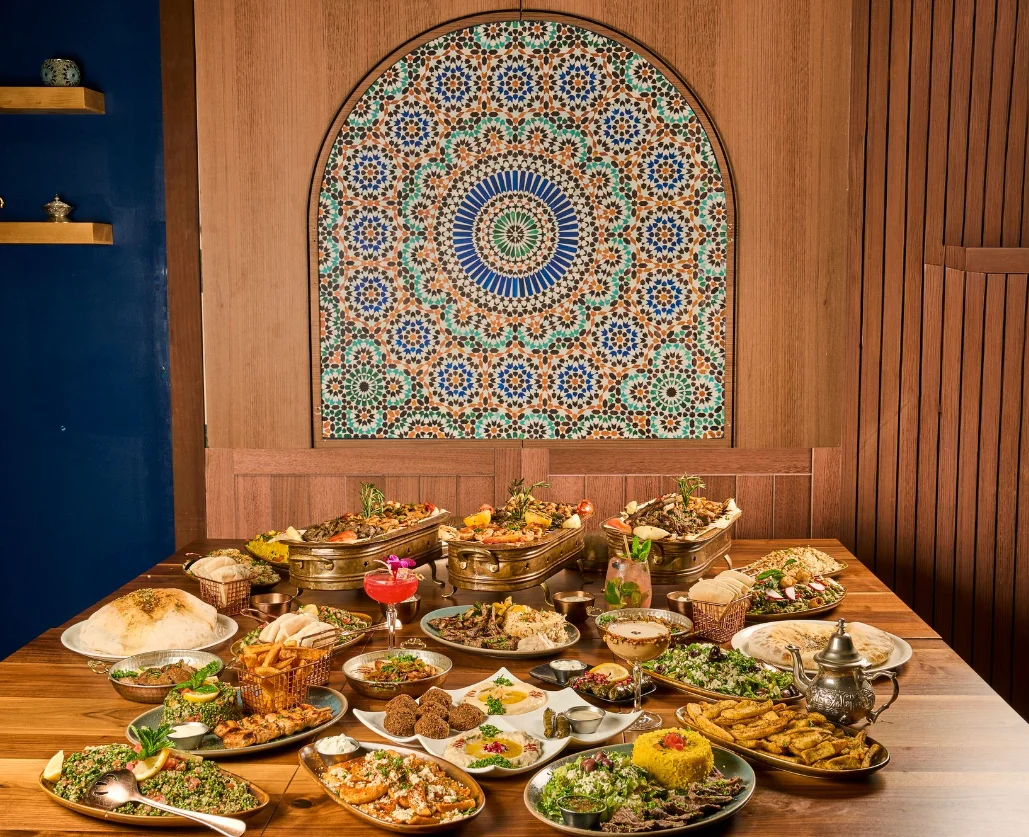
The first few items, like gyros, chicken kebab, or Greek salad, feel safe. Then the Mediterranean menu keeps going: shawarma plates, falafel wraps, hummus platters, baba ghanoush, mixed grill combos, and more.
That is usually the moment people pause. Not because it is confusing, but because it is unexpected.
A Greek menu feels easier to scan. A Mediterranean menu takes a little longer. That extra time changes how people order.
2. The First Bite Does Not Match the Expectation
This is where most assumptions break. A gyro and a shawarma can look similar with the same structure, meat, bread, and sauce. But the taste is not the same.
Greek food usually leans on:
- Lemon
- Garlic
- Olive oil
- Oregano
- Feta
Mediterranean food brings in:
- Tahini
- Cumin
- Sumac
- Garlic-based sauces
- Regional spice blends
People usually don’t notice this from reading menus. They notice it mid-meal. A few bites in, the comparison stops.
3. Appetizers Become the Real Starting Point
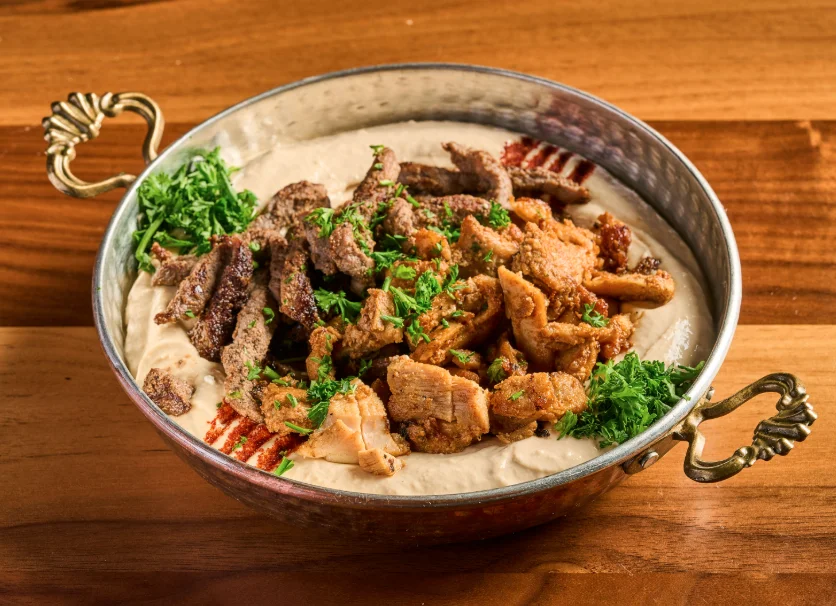
In many Greek meals, people move quickly toward the main dish. Mediterranean meals slow that down without trying. Hummus arrives first, then pita, and then dips.
Someone tears a piece of bread. Someone else tries falafel. Plates start moving around the table.
At places like Sufrat Grill in South Florida, this is very common. Tables do not wait for structure. Food starts circulating early.
That is usually when the meal shifts from “ordering food” to “sharing food.”
4. Greek Food Feels Familiar, Mediterranean Feels Like Exploration
Greek food is often the easier starting point for most diners.
Many people already recognize it. Gyros, Greek salad, and souvlaki are common across South Florida, so it feels familiar right away.
Mediterranean food feels more open and varied. The menu is not limited to one style or one region. You see more choices, more flavors, and more dishes you may not have tried before.
That is usually where the table slows down for a second.
Do you stick with something familiar? Or use the moment to try something new and broader in taste?
Most people end up choosing the second option once they see the variety.
5. Group Dining Changes Everything
This is where Mediterranean food quietly wins. Group dinners in South Florida are common. Families, friends, weekend plans, casual meetups.
Greek menus work fine for groups. But Mediterranean menus are more flexible.
You usually see:
- Grilled platters
- Vegetarian options
- Shared dips
- Rice and salad combinations
- Multiple protein choices
So nobody feels stuck.
At Sufrat Grill , this shows up clearly during busy evenings. One table orders multiple items and starts sharing everything across plates. No one sticks to just one dish.
For larger gatherings, private events and group celebrations are also available here. That matters because Mediterranean food is not just about what is served. It is also about the ambience and how it is shared.
6. Salad Styles Are Not the Same Experience
Greek salad is usually the most familiar with tomato, cucumber, onion, feta, and olive oil. Simple and direct. Mediterranean cuisine expands this idea.
You start seeing:
- Fattoush with crispy pita pieces
- Tabbouleh with parsley and lemon
- Chickpea-based salads
- Mixed fresh herb salads
Same category, different personality. Greek salads feel structured. Mediterranean salads feel lighter and more varied in texture.
7. Desserts Tell the Real Story at the End
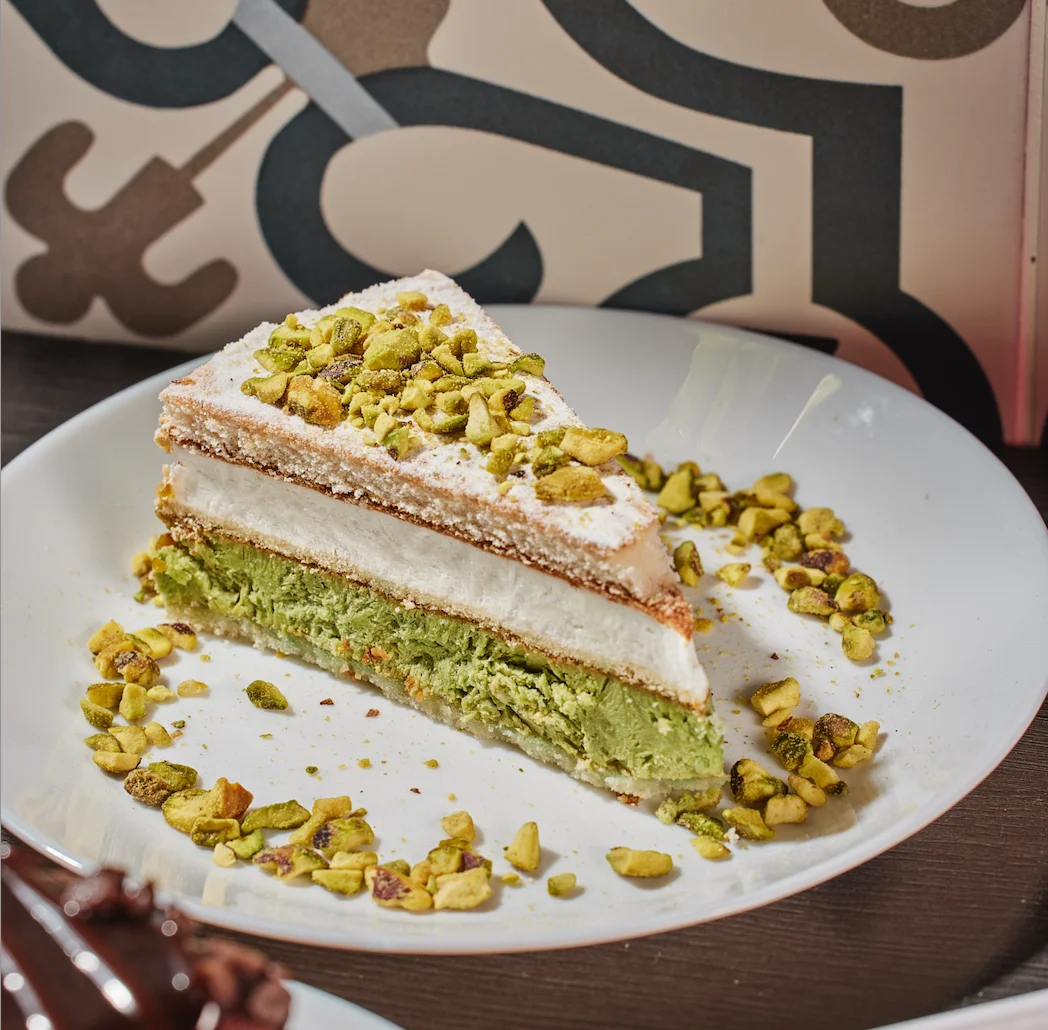
Most diners expect baklava, and they are right.
But Greek desserts often stay within a tighter range:
- Honey
- Nuts
- Phyllo pastry
Mediterranean desserts vary depending on the region:
- Knafeh
- Milk-based sweets
- Syrupy pastries
- Regional nut desserts
People usually do not think about dessert when choosing between Greek and Mediterranean food. But the dessert menu often shows the biggest difference. It is the final signal that the cuisines are related but not identical.
What Most People Misunderstand About This Question
The biggest misunderstanding is thinking this is a strict either-or comparison. It is not.
Greek food belongs to Mediterranean cuisine. So the real difference is not separation. It is the scope.
Greek food is focused. Mediterranean food is wider. The confusion usually comes from shared ingredients:
- Olive oil
- Grilled meats
- Fresh vegetables
- Pita bread
But ingredients alone do not define cuisine. Flavor direction and variety do.
What to Order If It Is Your First Visit
A simple approach works better than overthinking.
Start balanced.
- One familiar dish (gyro or grilled chicken)
- One shared appetizer (hummus or baba ghanoush)
- One new item (falafel or shawarma)
- One salad (Greek or fattoush)
This avoids guesswork, and it gives a clear picture of both styles in one meal. Most people only understand the difference after trying both side by side anyway.
Why This Matters in South Florida Dining
South Florida has a strong Mediterranean food culture. Not just restaurants, but a full dining style built around sharing and group meals.
Greek and Mediterranean restaurants often sit close together. That makes comparison natural.
Places like Sufrat Grill reflect this mix clearly. The menu brings Greek familiarity together with wider Mediterranean variety, which helps first-time diners understand both styles without needing prior knowledge.
That is also why it works well for groups, families, and casual dining. Food is not rushed here, it is shared.
Final Thoughts
Most people start with one simple question: Is Greek and Mediterranean Food the Same?
At first, it feels like a choice between two similar menus. Same ingredients, same kind of dishes, same setup on the table. So the question makes sense at that moment.
But once you actually eat, the comparison stops feeling important. You start noticing small differences in taste, in spice, and in how each dish feels while eating it.
By the end of the meal, the question is usually gone. It is no longer about what they are called. It is more about what you enjoyed and what you would order next time.


