Is Falafel Mediterranean? What South Florida Foodies Need to Know
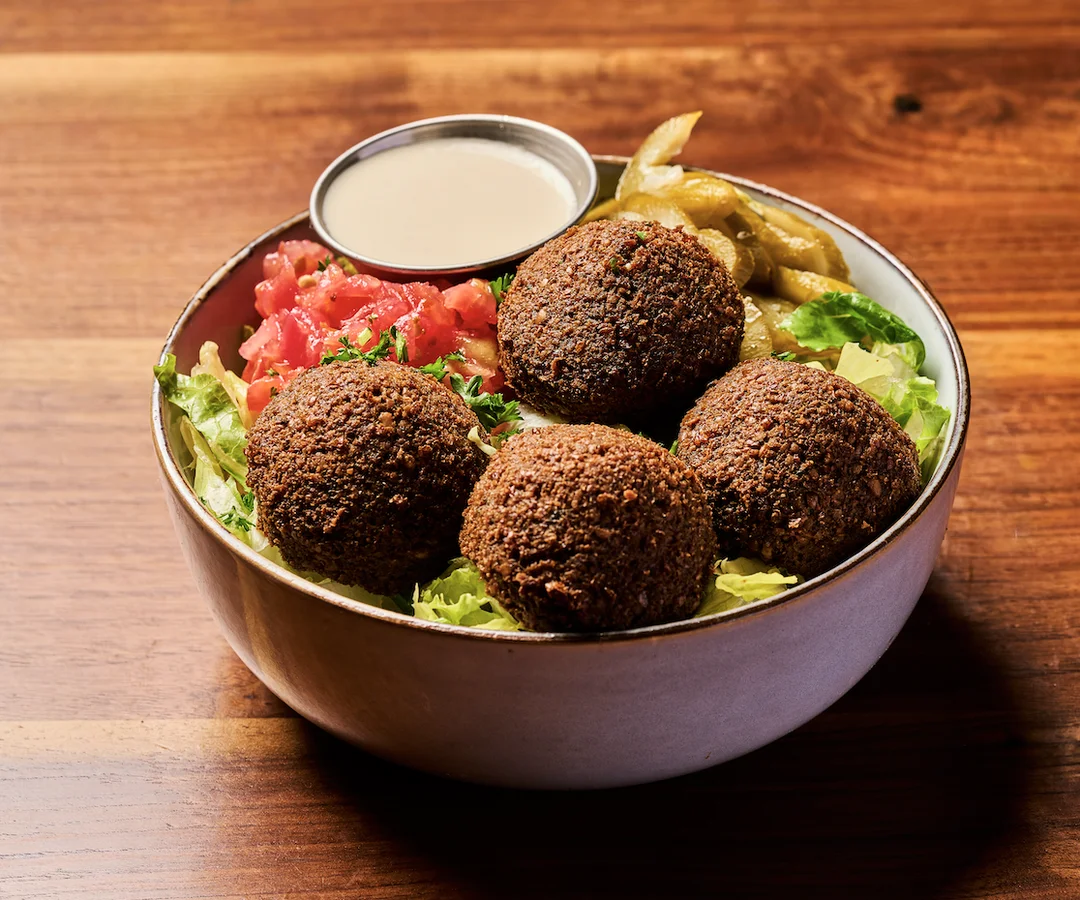
Falafel is not originally Mediterranean in a strict historical sense, but in today’s food world, especially in South Florida, it is widely treated like it naturally belongs there.
One bite of a good falafel usually makes the question feel less important than the flavor itself. Crisp, warm, and herby, it has a way of pulling attention away from definitions and into the moment.
People often ask, “Is falafel Mediterranean?” right before they try it or just after spotting it on a menu for the first time. It sounds like a simple question, but the answer sits somewhere between culture, history, and how food moves across regions.
South Florida makes this even more interesting because food here rarely stays in one box for very long.
So… Is Falafel Mediterranean or Not?
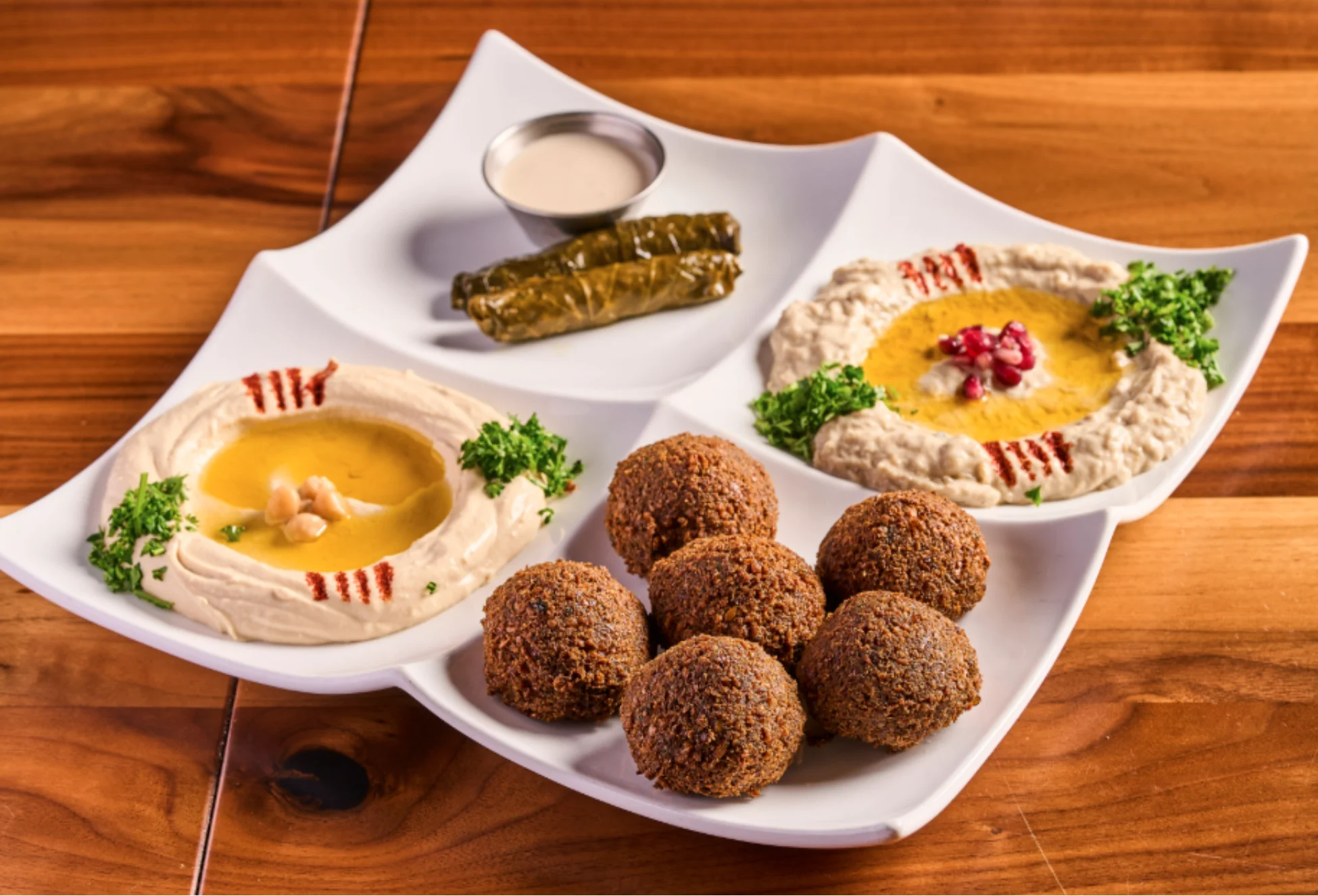
Falafel comes from Middle Eastern cuisine, with deep roots from Egypt and the Levant region. It started as street food. Simple ingredients, cheap, filling, and easy to make in bulk.
But food doesn’t stay still.
Over time, falafel moved across regions and became part of Mediterranean-style dining, especially in the US. Not because someone “rebranded” it, but because it naturally fits the same ingredients and eating style.
So here’s the honest version:
It is Middle Eastern by origin, but Mediterranean by association.
In South Florida restaurants, that second identity is what you usually experience on the plate.
Why Falafel Feels Like It Belongs in Mediterranean Food
Walk into almost any Mediterranean spot in South Florida, and you’ll notice a pattern. Nothing feels heavy, and everything feels fresh. Plates are built around balance, not overload.
Falafel fits right into that rhythm.
It comes out warm, crisp on the outside, soft inside. Usually sitting next to salad, hummus, pita, maybe some rice. Nothing complicated. It is just food that works together without trying too hard.
At places like Sufrat Mediterranean Grill , falafel isn’t treated like a “side experiment.” It’s part of a full meal experience. Something you can build your plate around without thinking twice.
Because food identity isn’t just history. It is how it feels when it arrives at your table.
What Falafel Actually Tastes Like (For First-Timers)
If you’ve never had falafel, the expectation is usually off. Some people think it will be spicy. It usually isn’t. Some think it will be dry. It shouldn’t be.
A good falafel is:
- Crisp when you bite into it
- Soft and green inside from herbs
- Lightly spiced, not overpowering
- Filling without feeling heavy
There is a small moment when you bite into it and realize it’s not “just fried food.” It has texture. It has freshness. It has that herbal kick that lingers for a second.
That is usually the point where people go, “Okay… I get why people like this.”
The Simple Truth About Falafel Recipe
Most people try a falafel recipe at home at least once.
It looks easy on paper: Soak chickpeas, blend herbs, fry, done. But something always feels slightly off in homemade versions. Either it falls apart. Or it turns dense. Or it doesn’t taste like the restaurant version.
That’s not because it’s complicated. It’s because falafel depends on small details most people don’t notice at first:
- Chickpeas must be soaked, not cooked
- The mixture needs the right moisture balance
- Oil temperature changes everything
- Herbs must be fresh, not dried
It’s one of those foods where technique quietly matters, and that’s why restaurant falafel usually hits differently.
Why South Florida Keeps Falling for Falafel
South Florida is a strange and beautiful food mix. You can eat Cuban for lunch, sushi for dinner, and Mediterranean in between without it feeling unusual. Falafel works here because it fits the lifestyle.
It is:
- Quick but not fast food
- Filling but not heavy
- Vegetarian but still satisfying
- Easy to pair with almost anything
There is also a small but important detail: it doesn’t intimidate first-timers. Nobody looks at falafel and thinks, “This might be too much.” Instead, it feels safe to try. That is often how food habits start.
A Better Way to Try Mediterranean Food in South Florida
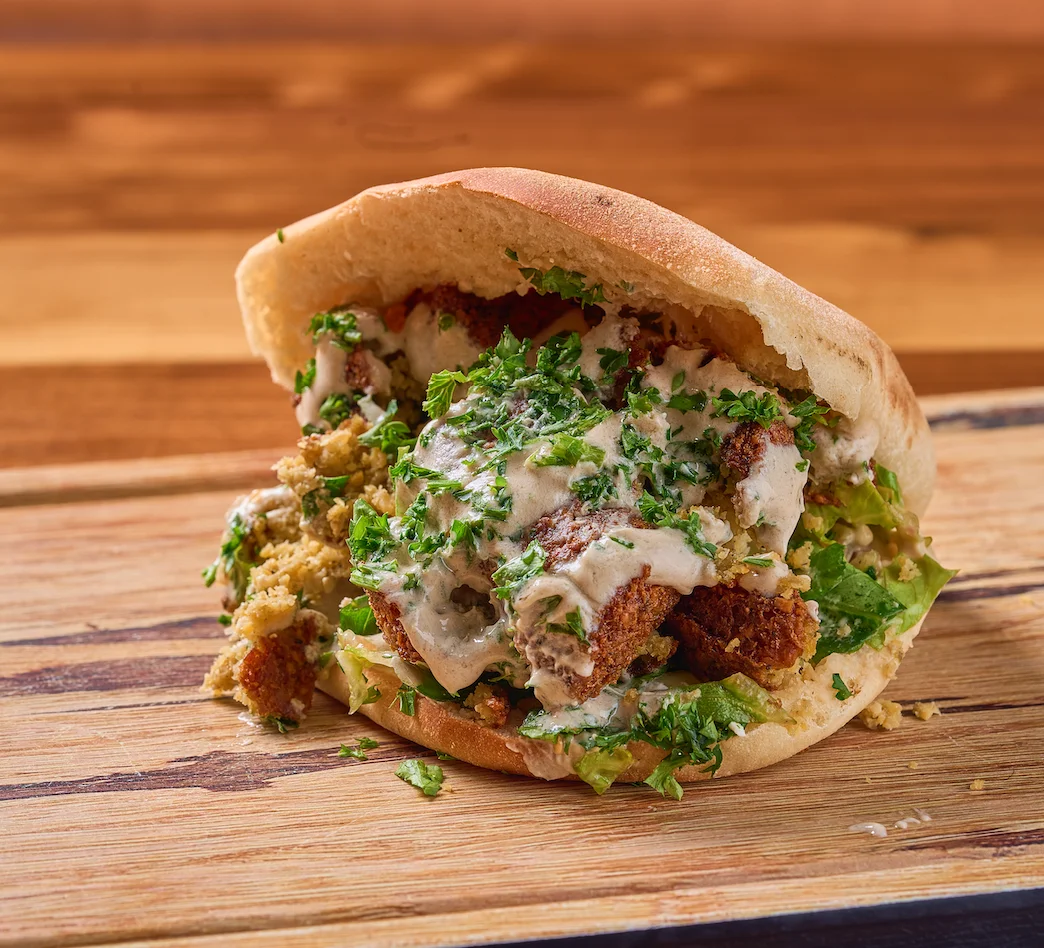
If someone is new to Mediterranean food, falafel is usually the easiest entry point. Not because it is the “best” dish, but because it doesn’t overwhelm your taste buds.
A simple first order usually works best:
- Falafel wrap with tahini
- Hummus with warm pita
- Fresh salad on the side
- Garlic sauce for extra flavor
At Sufrat Grill , this kind of combination is often how people naturally build their plate.
Something interesting happens after that first meal.
People start noticing patterns. The freshness, balance, and lightness. The way everything is meant to be shared instead of eaten separately. That’s when Mediterranean food starts making sense.
The Questions People Think Before Trying Falafel
Before ordering falafel for the first time, most people don’t ask loud questions. The doubts stay small, but they matter. They shape the decision more than anything else on the menu.
Here are the most common real-life questions people think through:
Is falafel too oily?
Not when it is made properly. A good falafel should feel crisp on the outside, not greasy or heavy.
Will falafel actually fill me up?
Yes, it usually does more than expected. Chickpeas are rich in protein and fiber, so it keeps you satisfied longer than it looks.
Does falafel taste too different for beginners?
Not really. The flavor feels familiar in a surprising way, with herbs, garlic, and mild spices that are easy to enjoy.
Is falafel beginner-friendly for Mediterranean food?
Yes, it is often the easiest starting point in Mediterranean cuisine because it is simple, balanced, and widely liked.
Where Falafel Stands in Mediterranean Culture Today
In modern Mediterranean dining, falafel has become something bigger than its origin story.
It represents:
- Plant-based eating without compromise
- Street food that became mainstream
- Simple ingredients done right
- Shared meals instead of solo plates
In South Florida, it has fully settled into everyday food culture. Not exotic. Not rare. Just something you order when you want something fresh that doesn’t feel heavy.
That shift is important. Because once a dish becomes familiar, people stop questioning it and start enjoying it.
Events, Catering, and Why Falafel Shows Up Everywhere
Mediterranean food is rarely about eating alone.
It shows up at family dinners, office lunches, weekend gatherings, and casual meetups.
At Sufrat Grill Events , falafel is often part of group orders because it scales well and stays consistent. It also disappears quickly from tables, which is usually the best review any food can get.
People don’t overthink it at events. They just eat it.
Final Thoughts
Falafel does not stay inside a single category. It begins in Middle Eastern food culture, yet it is now widely served in Mediterranean-style meals, especially across South Florida restaurants.
Most people stop thinking about labels the moment they actually eat it. Attention quickly moves to texture, freshness, and how satisfying it feels as a complete bite.
That is where the question “Is falafel Mediterranean?” becomes less about classification and more about experience. The answer changes depending on history, modern food culture, and how it is placed on the plate.
In South Florida, it has already become a familiar part of Mediterranean dining. For most first-time eaters, the real takeaway is not the definition—it is whether they enjoy it enough to order it again.


