How to Make Hummus: 6 Proven Mediterranean Secrets for Perfect Creaminess
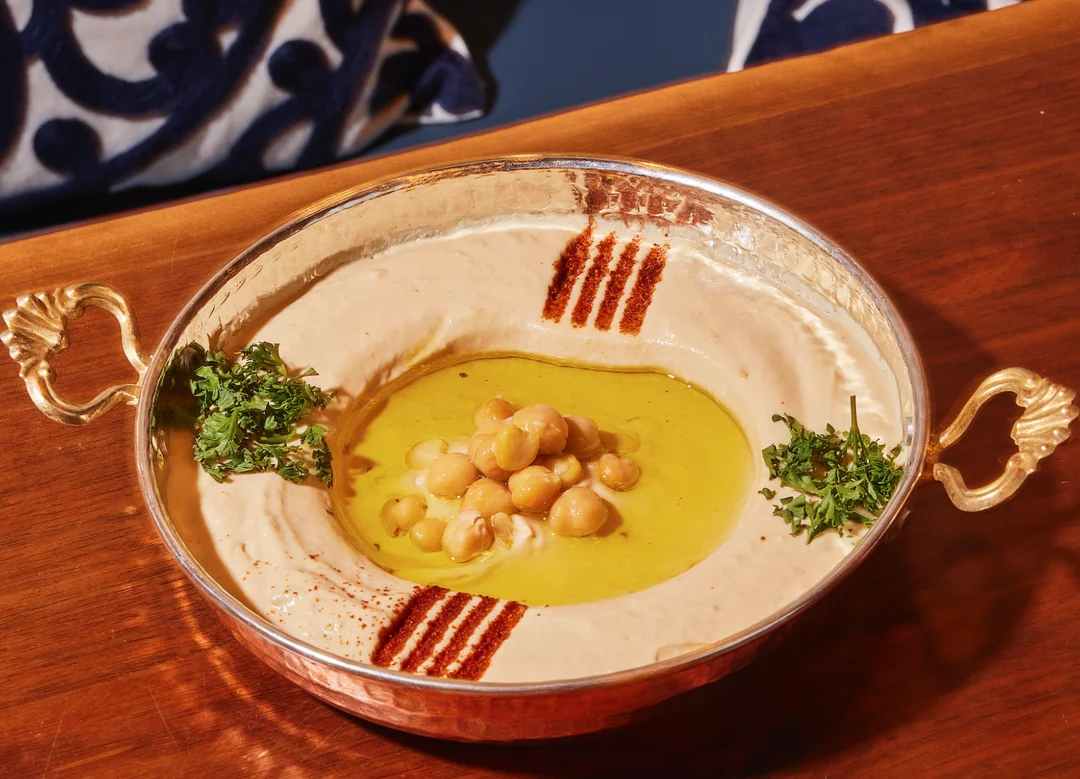
Perfect hummus comes down to one thing: smooth texture from simple ingredients, handled the right way.
That’s it. You don't need any fancy tools or rare spices. Just a few small choices that change everything.
Still wondering how to make hummus at home? It looks simple, but it goes wrong fast. One small miss, and the texture turns grainy. Or too thick. Or just flat and dull. Sometimes it doesn’t even come close to those silky, smooth bowls you remember from a real Mediterranean kitchen.
So what’s missing?
Usually, it’s the small details. The kind you only notice when you sit in a proper Mediterranean restaurant, scoop warm pita into a bowl, and pause. Something feels different. May be softer, richer, and balanced.
We at Sufrat Mediterranean Grill in South Florida quietly get these details right. Our menu leans on tradition, slow methods, and fresh ingredients. The kind of hummus that doesn’t shout, but lingers.
Let’s walk through what actually makes that difference.
Why Texture Matters More Than You Think

Before diving into how to make hummus, it helps to understand why texture is everything.
Hummus is a simple blend of chickpeas, tahini, lemon, garlic, and olive oil. So when one thing feels off, you notice it right away.
Think about it. Would you enjoy hummus that feels sandy? Probably not. Would you go back for more if it melts on your tongue? Of course.
This is where most home cooks get stuck.
They follow a recipe. They measure everything correctly. But the result still feels… average.
So the real question becomes:
- Why does restaurant hummus feel smoother?
- Is there a trick they don’t tell you?
- Or is it just better ingredients?
The answer is a mix of all three.
Secret #1: Peel the Chickpeas (Yes, Really)
This step sounds annoying. It is. But it works.
Chickpea skins are thin but tough. When blended, they create that grainy feel. Removing them gives you a much smoother base.
Here’s the quick way:
- Rub cooked chickpeas between your fingers
- Skins will loosen and float in water
- Skim them off
It takes 10–15 minutes. But the difference? Huge.
Some kitchens skip this step. Others never do. The best hummus you’ve had likely didn’t have skins.
Secret #2: Warm Chickpeas Blend Better
Cold chickpeas resist blending. They stay chunky. While warm ones soften and break down easily.
So before blending:
- Heat chickpeas slightly
- Not boiling, just warm
This small step makes your blender’s job easier. It also gives that creamy, almost whipped texture. This is one of those quiet tricks used in Mediterranean kitchens. You won’t always see it written down.
Secret #3: Blend Tahini and Lemon First
Most people throw everything into the blender at once. That’s the mistake.
Instead:
- Blend the tahini and lemon juice first
- Let it turn light and creamy
- Then add chickpeas
Why does this work?
Because tahini emulsifies with lemon. It becomes smooth before thick ingredients enter. This is the moment where hummus changes from “okay” to “restaurant quality.”
Secret #4: Add Ice-Cold Water
This one surprises people. Ice water makes hummus fluffy. It lightens the mixture. Gives it that airy, whipped feel.
Add slowly while blending:
- 1 tablespoon at a time
- Watch the texture change
It’s almost like magic. The hummus loosens, brightens, and smooths out. If you’ve ever wondered why your hummus feels heavy, this might be the missing piece.
Secret #5: Use Good Olive Oil, But Not Inside
Here’s a debate.
Should olive oil go inside the hummus or just on top? Traditional methods often skip mixing it in. Instead, they drizzle it on top before serving.
Why?
- Keeps flavor fresh
- Prevents heaviness
- Let's tahini shine
So try this:
- Blend without oil
- Add a generous drizzle before serving
Taste the difference.
Secret #6: Don’t Rush the Blend
Time matters. Most people stop blending too soon. But real creamy hummus needs patience.
Let the blender run:
- 3 to 5 minutes
- Scrape sides
- Blend again
Yes, it feels long. But that’s where the smoothness builds. Think of it like kneading dough. You can’t rush it.
How to Make Hummus at Home (Step-by-Step)
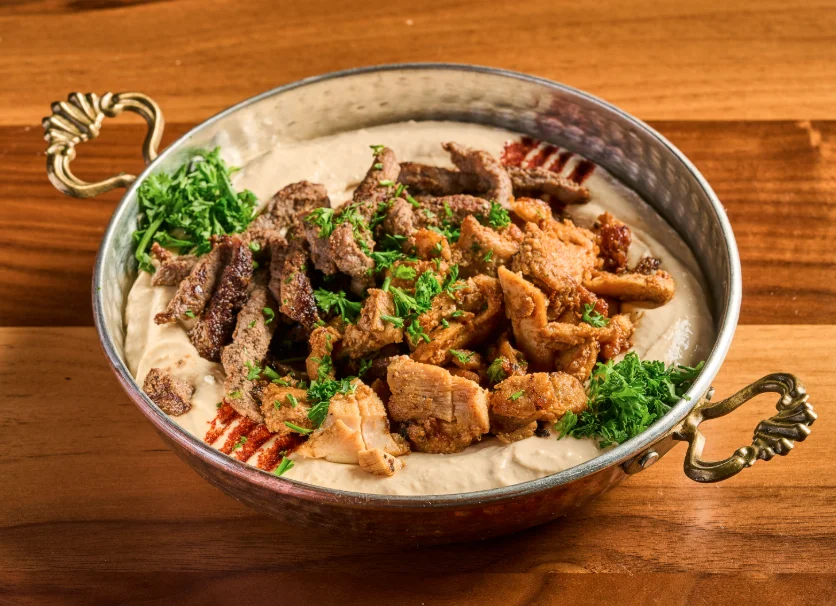
Now that the secrets are clear, here’s a simple process you can follow.
Ingredients:
- 1 cup cooked chickpeas (peeled if possible)
- 1/4 cup tahini
- 2 tbsp lemon juice
- 1 garlic clove
- Salt to taste
- Ice water
- Olive oil (for topping)
Steps:
- Blend tahini and lemon until smooth
- Add garlic and salt
- Add warm chickpeas
- Blend while adding ice water slowly
- Blend longer than you think you should
- Taste and adjust
That’s it. No stress. No overthinking.
What Real Mediterranean Hummus Feels Like
This is where things get interesting.
Because once you learn how to make hummus at home, you start noticing differences everywhere.
That plate at a restaurant? You start asking:
- Is this smooth enough?
- Is the lemon too sharp?
- Did they overdo the garlic?
At places like Sufrat Grill , the experience goes beyond hummus. Our menu reflects the wider Mediterranean table.
You’ll find:
- Fresh falafel with crisp edges
- Grilled kebabs with deep flavor
- Soft pita that actually tastes alive
- Mezze spreads that feel balanced
And yes, hummus that gets the texture right.
More Than Food: The Experience at Sufrat Grill
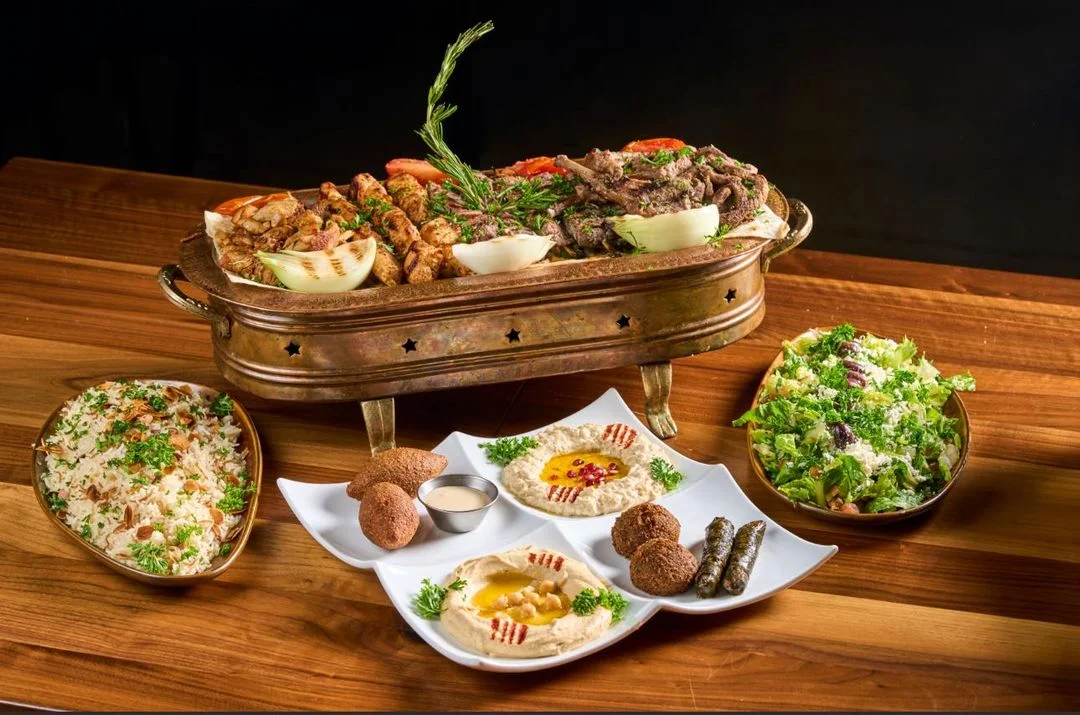
Good food is one thing. The setting matters too.
If someone is visiting South Florida and craving real Mediterranean flavors, it’s worth exploring what Sufrat Grill offers beyond just a meal.
Here are a few things that stand out:
- Private gatherings : Our private event space makes group dining feel relaxed and personal.
- Cultural events : We host events that bring people together over food and music.
- Authentic approach: Our philosophy is to focus on fresh ingredients and traditional methods
It’s the kind of place where food isn’t rushed. You sit, you taste, and talk. And maybe, without realizing it, you learn what hummus is supposed to be.
Common Mistakes That Ruin Hummus
Even with the right steps, small mistakes can throw things off.
Watch out for these:
- Using old tahini (it turns bitter)
- Adding too much garlic (it overpowers everything)
- Skipping salt (it dulls the flavor)
- Not blending long enough
- Using cold chickpeas
Each one seems small. Together, they change the result.
Real Decisions People Struggle With
When making hummus, a few doubts always come up.
Is canned chickpea okay?
Yes. Rinse thoroughly and warm them before use.
Do I need a high-end blender?
Not really. A decent one works if you blend longer.
Is it worth peeling chickpeas?
If you want ultra-smooth texture, yes. If not, skip it.
Why does my hummus taste flat?
Usually, it needs more lemon or salt.
These are real kitchen moments. The kind that decides whether your hummus feels average or memorable.
A Small Shift That Changes Everything
Here’s the thing.
Learning how to make hummus isn’t just about one recipe. It’s about noticing details. You start with one bowl. Then you adjust. Then you taste again.
You may want to add more lemon next time. Maybe you peel the chickpeas. Maybe you finally try that ice water trick.
And suddenly, it clicks.
The texture feels right. The flavor feels balanced.
You take a bite, pause, and think:
Is this what it’s supposed to taste like?
Or better yet… What happens if you pair that homemade hummus with warm pita, grilled meat, and a table full of small dishes, just like we do at Sufrat Grill ?
That’s when it shifts from just food to something more - a full experience. Something you sit with, not rush through.
And maybe that’s the real change. Not just following a recipe, but starting to notice what good hummus actually feels like. After that, everything else tastes a little different.


