Fattoush vs. Tabbouleh: What's the Difference?
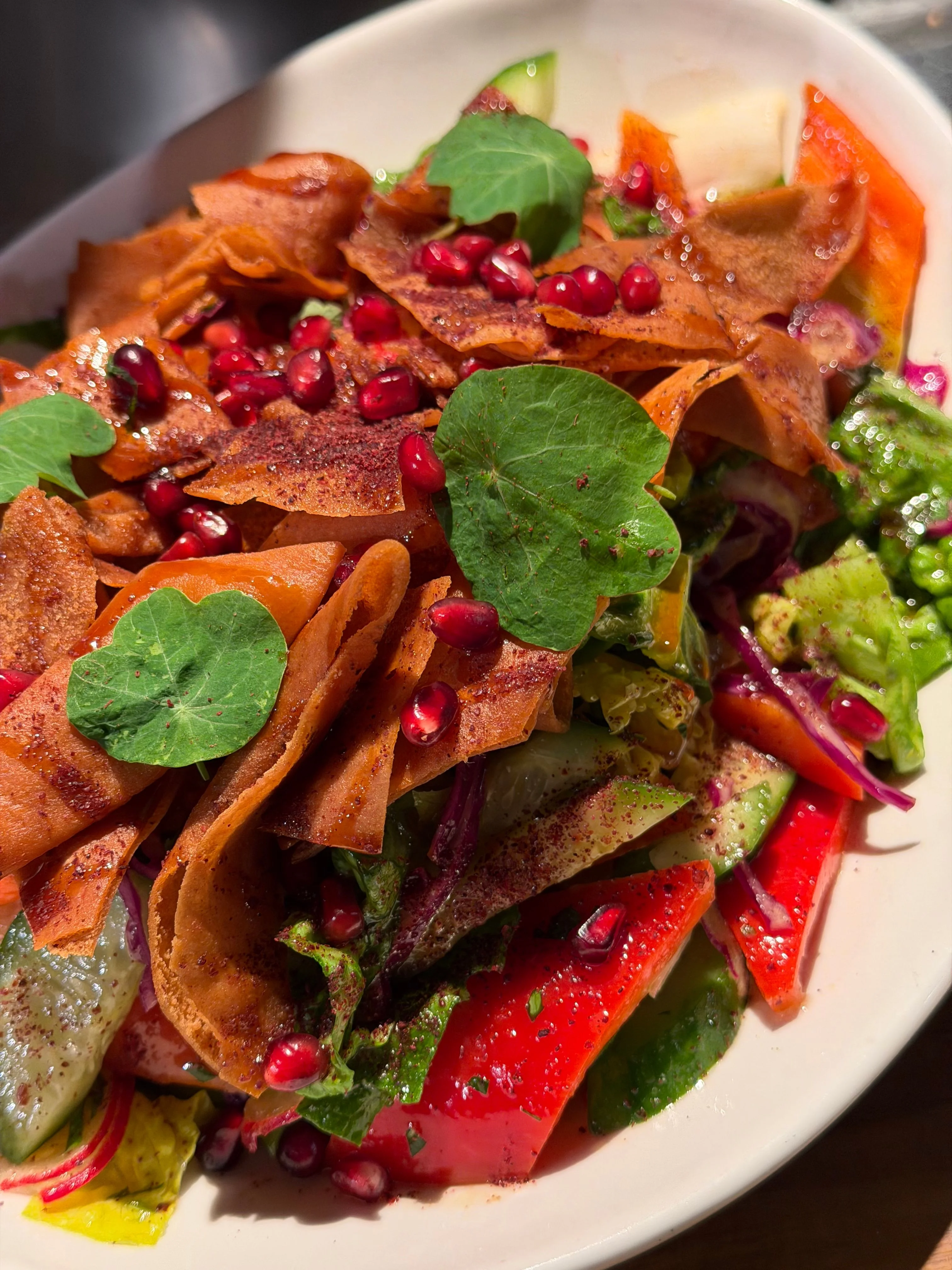
Fattoush is a crunchy salad made with toasted pita and sumac dressing. Tabbouleh is a soft, herb-packed salad built around parsley and a little bulgur. Both are Lebanese. Both are fresh. But they taste and feel unlike anything else!
Fattoush vs. Tabbouleh: Quick Overview of Differences
Parameter | Fattoush | Tabbouleh
Origin Mountain villages of Lebanon Lebanon, also common in Syria and Jordan
Main base Lettuce and mixed vegetables Finely chopped parsley
Grain or bread Toasted or fried pita chips Fine bulgur wheat, used lightly
Key seasoning Sumac Lemon juice, no added spice needed
Texture Crunchy, chunky Soft, dense, finely chopped
Dressing Olive oil, lemon, sumac, Olive oil and lemon juice only
sometimes pomegranate molasses
Best served Immediately, before pita softens Can rest for 30 minutes, tastes even better
Calorie range 180 to 250 per serving 120 to 200 per cup
Common pairing Grilled meats, shawarma, hummus Kebabs, falafel, grilled chicken
What Is Fattoush?
Fattoush started as a way to use up old bread. In Lebanese mountain villages, pita would go stale within a day. Instead of tossing it, cooks tore it up, fried or toasted it, and mixed it into a salad. That habit became one of the most loved dishes in the region.
The name fattoush comes from an Arabic word meaning crumbled or crushed. That perfectly points to the broken pita sitting inside the bowl. Alongside the bread, you'll find romaine lettuce, tomatoes, cucumbers, and radishes. All are cut into bite-sized pieces and not minced fine. Fresh parsley and mint get folded in too.
What really sets Fattoush apart is sumac. This tart, reddish spice gets mixed into the dressing and sprinkled on top. It brings a sour, almost citrusy punch that plain lemon juice can't fully match. Because the pita chips start absorbing moisture fast, fattoush needs to be tossed and served right away. If the wait is too long, the crunch disappears.
Meet Sufrat's Crunchy Fattoush
At Sufrat Mediterranean Grill, the Fattoush Salad sticks close to the traditional build. It combines lettuce, cucumber, tomatoes, onion, parsley, mint, sumac, and crispy pita chips in one bowl. Every bite delivers that same contrast the dish is known for. The bright, tangy dressing against crunchy bread and crisp vegetables.
It works well on its own or as a starter before a heavier plate like a kebab platter or shawarma sandwich. Order it fresh at any Sufrat location, including Doral Yard, and it arrives made to order so the pita stays crisp.
What Is Tabbouleh?
Tabbouleh flips the formula. Instead of bread and vegetables, this salad is almost entirely parsley. In an authentic version, parsley makes up the bulk of what's in the bowl. Bulgur wheat plays a small supporting role. It adds a bit of nutty texture without overpowering the salad.
Making it starts with soaking fine bulgur in water so it softens without needing to be cooked. Meanwhile, bunches of parsley get chopped by hand into pieces small enough to look almost like grains. Diced tomatoes and fresh mint join in. Finally, the whole mix gets dressed with just lemon juice and olive oil. No vinegar, no heavy spice blend. The lemon alone brings enough brightness.
Because tabbouleh doesn't rely on bread, it holds up well. In fact, letting it rest for a bit helps the bulgur soak up the dressing and the flavors settle together.
Are Fattoush and Tabbouleh Interchangeable?
Not really. Fattoush leans on crunch and sumac. Tabbouleh leans on fresh herbs and a light citrus finish. One uses bread, the other barely uses grain at all. They both come from the same region and the same kitchen tradition. But they satisfy different cravings.
Sufrat's Fresh, Herb-Forward Tabbouleh
Sufrat's Tabbouleh Salad follows the same herb-heavy approach that makes this dish a Lebanese staple. It brings together crisp lettuce, juicy tomatoes, onions, pickles, and roasted beef. The salad is dressed up in a creamy tahini sauce. Served in fresh, homemade bread, it’s light, herbaceous, and doesn't weigh you down. You can order it at any Sufrat location as a side or a light dish on its own.
What Goes Into a Fattoush Recipe?
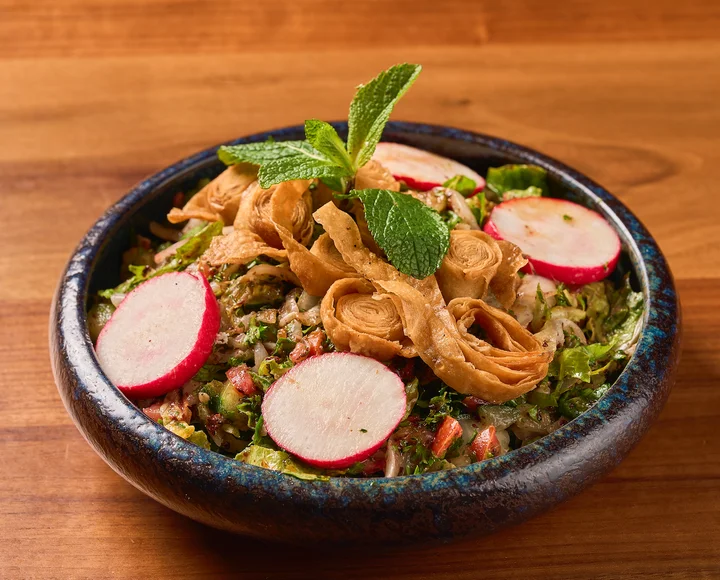
A traditional fattoush recipe starts with lettuce, usually romaine, chopped into ribbons. From there, cooks add diced tomatoes, sliced cucumbers, green peppers, and thinly cut radishes. Green onions bring a milder bite than regular onion. Fresh parsley gets tossed in too. But it is in smaller amounts than what you'd find in tabbouleh.
The bread comes next. Pita gets cut into pieces and either fried in olive oil until golden or baked until crisp. Either method works, but frying gives a richer crunch that holds up slightly longer.
The dressing ties it together. Olive oil, lemon juice, garlic, ground sumac, a touch of dried mint, salt, and pepper. Some versions add a small amount of pomegranate molasses for extra tang. Everything gets tossed together. The pita chips go in last, right before serving. This lets them stay crisp and not turn soggy.
What Goes Into a Tabbouleh Recipe?
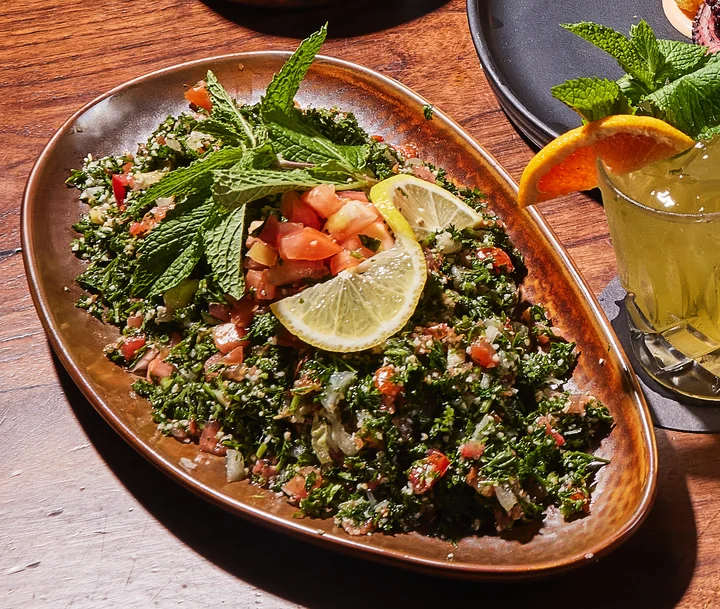
Tabbouleh starts with fine bulgur wheat, soaked briefly in water until it softens and can be drained well. The real work goes into the parsley. Flat-leaf parsley gets washed, dried thoroughly, and chopped very finely by hand.
Firm tomatoes get diced small and drained to avoid watering down the salad. Fresh mint leaves are chopped even finer than the parsley, and green onions add a mild sharpness. Some cooks include finely chopped cucumber for extra crunch. However, that's a modern addition rather than a traditional one.
The dressing stays simple. Lemon juice and good olive oil, nothing else. Everything gets mixed with the drained bulgur and a pinch of salt, then refrigerated for about 30 minutes before serving. That short rest lets the bulgur soak up the citrus and oil, rounding out the flavor.
Fattoush vs. Tabbouleh Calories: Which Is Healthier?
Both salads fit easily into a healthy diet, but they land at slightly different calorie ranges. A typical serving of fattoush runs between 180 and 250 calories, depending on how much oil and pita are used. Most of those calories come from the olive oil in the dressing and the fried or baked pita chips. The vegetables themselves, like cucumber and tomato, are mostly water, so they add volume without adding many calories.
Tabbouleh usually comes in lighter, around 120 to 200 calories per cup. Parsley makes up most of the bowl and bulgur is used sparingly. So, there's less starch overall compared to fattoush's bread component. The main calorie source in tabbouleh is the olive oil in the dressing. A small contribution comes from the bulgur.
If you're watching calories closely, tabbouleh generally comes out lighter thanks to its low starch content. But fattoush isn't far behind. Its fiber and water content from fresh vegetables make it a filling option too. Neither salad relies on cream, cheese, or fried protein. Thus, both stay within a reasonably light range compared to heavier side dishes.
Discover Eastern Mediterranean Flavors in South Florida
Fattoush and tabbouleh are just two dishes within a much larger Eastern Mediterranean food tradition. It is built around fresh herbs, olive oil, grilled meats, and shared plates. Sufrat Mediterranean Grill brings that full range to South Florida, with locations in Pembroke Pines, Doral Yard, and Miami Beach.
Beyond the salads, our menu covers house-made dips like hummus, baba ghanoush, muhammara, and labneh. Appetizers include falafel, kibbeh, and stuffed grape leaves. Grilled platters range from chicken and beef kebabs to lamb chops, shawarma, and the Sufrat Mix Grill Platter for those who want a bit of everything. Sandwiches cover shawarma, gyro, falafel, and kafta kebab, while rice bowls offer a lighter, customizable option. For dessert, there's baklava, kanafeh, and tiramisu, plus family-style combos built for sharing.
Whether you're craving something crisp like fattoush, something herb-forward like tabbouleh, or a full grilled platter, Sufrat brings the wider Eastern Mediterranean table to your plate.
FAQs
Is tabouli Greek or Lebanese?
Tabbouleh is Lebanese, not Greek. It comes from Levantine cooking traditions, where parsley, bulgur, and lemon form the base of the dish. It's also common across Syria and Jordan. While Greek cuisine has its own salads, tabbouleh's roots trace directly back to Lebanon and the broader Levant.
Is there a difference between tabbouleh and tabouli?
No, they're the same dish. Tabbouleh and tabouli are just different spellings of the same Arabic word, based on how it's transliterated into English. You might also see it written as tabouleh or tabbouli. Regardless of spelling, it refers to the same parsley and bulgur salad.
What is the difference between fattoush and tabbouleh?
Fattoush is built on lettuce, mixed vegetables, and crunchy toasted pita, dressed with sumac and lemon. Tabbouleh is mostly finely chopped parsley with a small amount of bulgur, dressed simply with lemon and olive oil. Fattoush is crunchy and chunky, while tabbouleh is soft, dense, and herb-forward.
Is it okay to eat tabouli every day?
Yes, tabbouleh is a nutrient-dense, low-calorie salad that fits well into daily eating. It's rich in parsley, which provides fiber and vitamins, and uses only olive oil and lemon for dressing. Many Lebanese households eat it several times a week without issue, since it's light, plant-based, and easy to digest.


