Can a Gluten-Free Mediterranean Diet Help You Lose Weight?
A gluten-free Mediterranean way of eating can help you lose the extra pounds. This is because this diet inherently includes various foods that keep you satisfied for long. Look at the staples of this diet. Veggies, legumes, lean proteins form a bulk of the meals. Most of them are devoid of gluten. So, what you are doing is essentially naturally eating healthier foods. When you do that, your dependence on processed food reduces without any conscious effort.
But it’s necessary to say here that just eating foods free of gluten won’t cause you to lose weight. This is, if you are eating large portions of meals with a sedentary lifestyle. Weight will shed only when you control portions and include regular movement in your daily life.
What Happens to Your Body When You Cut Out Gluten?
You May Reduce Certain Processed Foods
Cutting gluten often means cutting wheat-based bread, pastries, and cookies. Many packaged snacks also disappear from your diet. This naturally reduces some processed food intake.
Your Digestion May Feel Different
People with celiac disease generally feel better without gluten. Their digestion improves once gluten exits the diet fully. But people without gluten-related conditions may not notice the same benefits. It’s wrong to assume that your digestion will automatically improve if you remove gluten.
You May Eat More Whole Foods
When you stop eating foods with gluten, you naturally incline toward whole foods. These include veggies, legumes, lean meats, fruits, and more. Good fats like nuts and seeds also assume a bigger role in your diet.
You Could Miss Important Nutrients
An improperly planned diet devoid of gluten can harm you. Such a diet can have practically zero fiber. You also make it tougher for your body to get critical vitamins. Processed foods with no gluten contain enormous sugar and fat. You can stop falling prey to this trap by taking some time and reading the label of such foods.
Cutting Gluten Does Not Automatically Mean Weight Loss
This is the most important takeaway here. Gluten itself doesn't cause weight gain in most people. Your overall calorie intake and food choices matter more. A gluten-free mediterranean diet for weight loss works because of food quality, not gluten removal.
How to Lose Weight Quickly on a Gluten Free Mediterranean Diet?
First, know that quick weight loss doesn't last. A sustainable approach works better for most people. That said, the tips below will help you achieve noticeable weight loss on this diet.
Build Meals Around Vegetables
Prioritize vegetables at lunch and dinner every day. They add volume and fiber without upping the caloric intake. Low-calorie-density foods like vegetables and legumes keep you satiated for long.
Choose Naturally Gluten-Free Carbohydrates
Stick to carbs that are gluten-free by nature. Good options include brown rice, quinoa, and buckwheat. Potatoes, sweet potatoes, corn, and gluten-free oats work well too.
Add Protein to Every Main Meal
Protein keeps hunger away for long time spans. Include fish, chicken, eggs, and Greek yogurt regularly. Beans, lentils, chickpeas, and seafood round out your protein options.
Use Healthy Fats in Sensible Portions
Extra-virgin olive oil, avocado, nuts, and seeds support fullness. Olives add flavor along with healthy fat too. Keep portions in check, since these foods are calorie-dense.
Limit Processed Gluten-Free Foods
Gluten-free cookies, cakes, and crackers aren't automatically healthy choices. Many are high in added sugar and fat. Whole, naturally gluten-free foods are almost always the better pick.
Watch Portions of Calorie-Dense Foods
Even nutritious foods can add up fast in large portions. Measuring servings of nuts, oils, and grains helps control calories.
Drink Water Instead of Sugary Drinks
Swapping soda or juice for water cuts calories easily. This small change adds up significantly over time.
Stay Physically Active
Pair your food choices with regular movement and exercise. Walking, strength training, or swimming all support weight loss.
A Complete Gluten-Free Mediterranean Diet Food List for Beginners
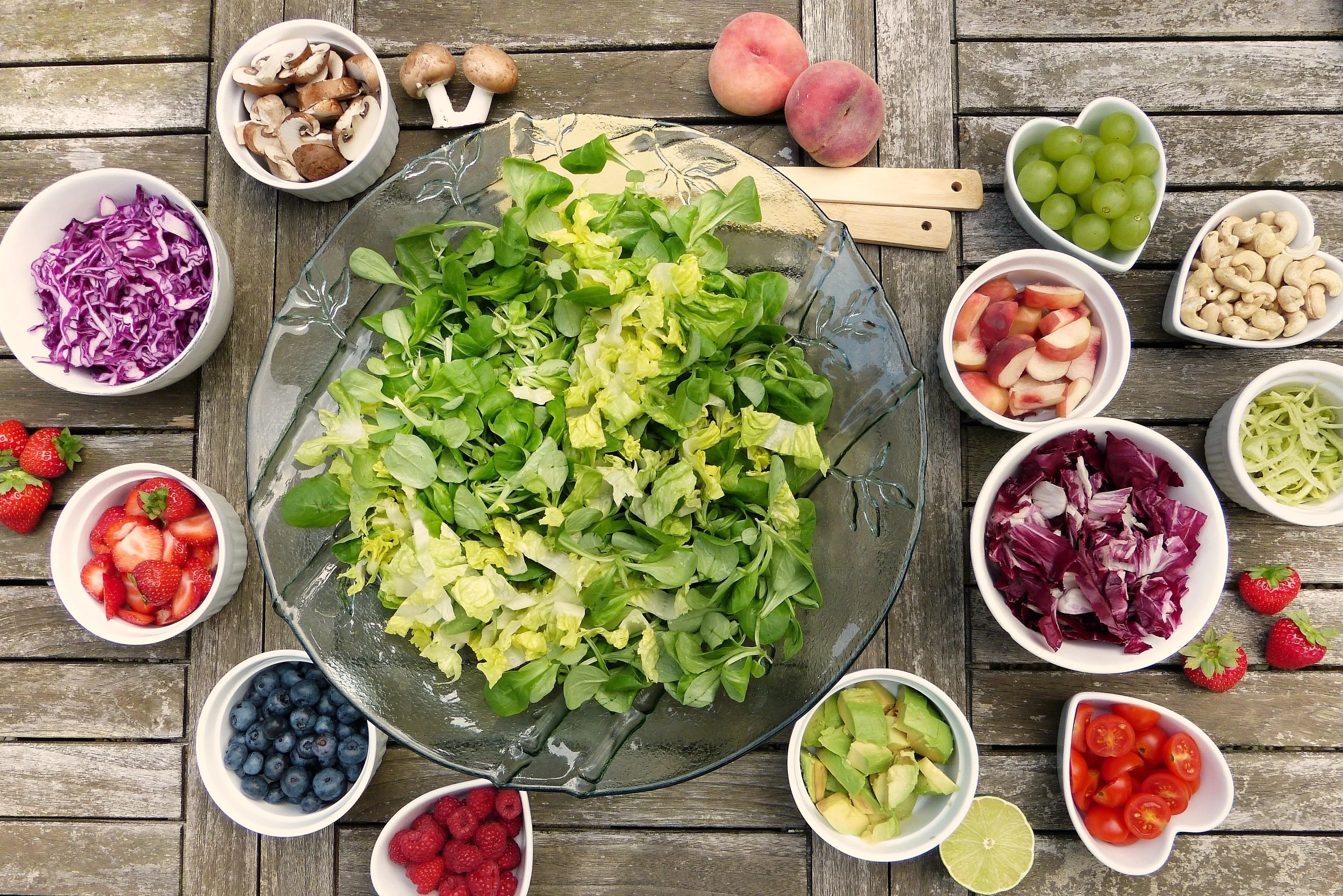
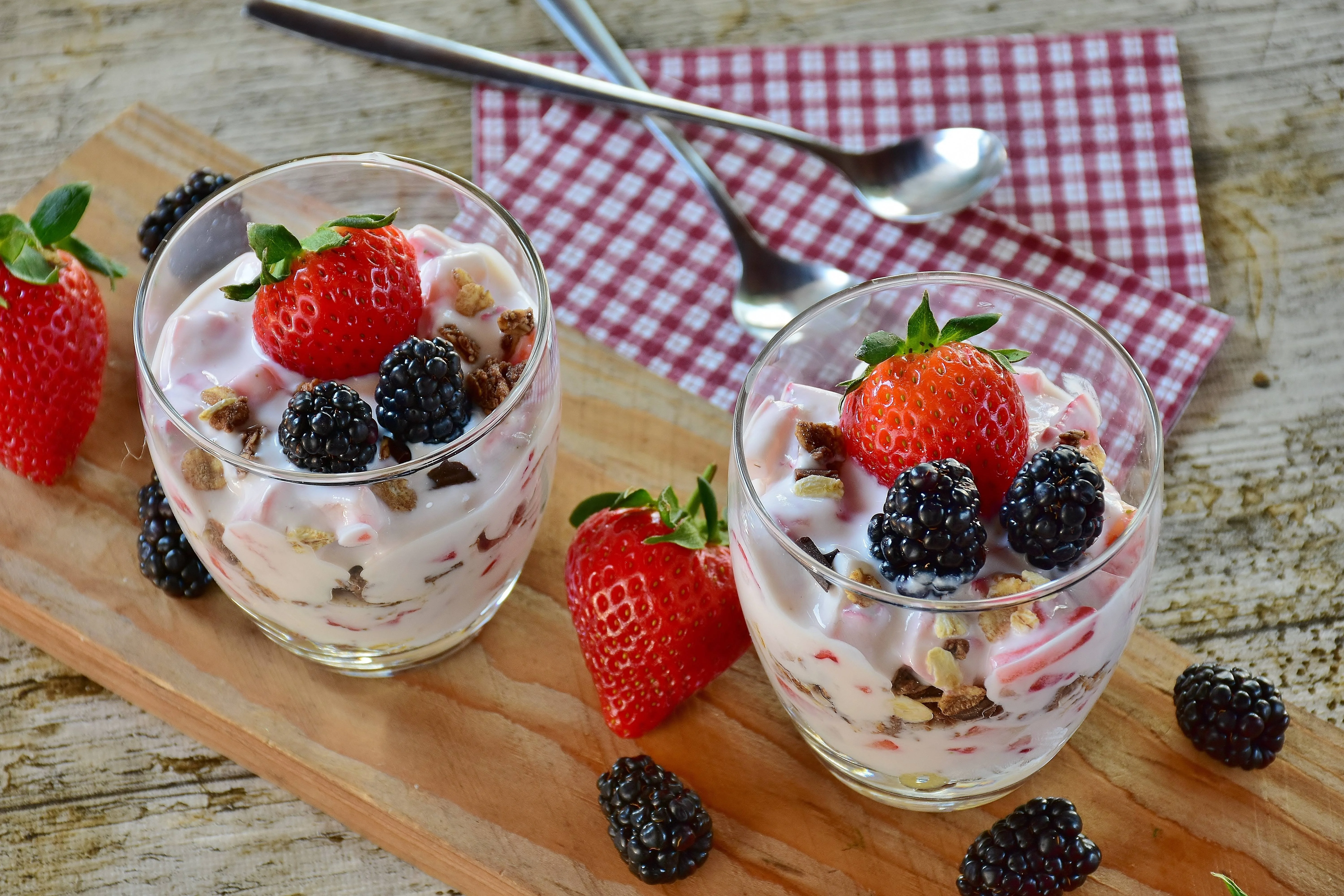
This gluten-free mediterranean diet food list covers the basics by category.
Vegetables
The following veggies form a strong base.
- Spinach
- Broccoli
- Tomatoes
- Cucumbers
Round things out with
- Bell peppers
- Eggplant
- Zucchini
- Carrots
- Leafy greens
Fruits
- Berries
- Apples
- Oranges
- Grapes
- Melons
- Peaches
Protein
Animal-based protein options include:
- Chicken
- Fish
- Shrimp
- Eggs
- Traditional Greek yogurt
Plant-based protein options are:
- Greek yogurt made out of nuts
- Lentils
- Chickpeas
- Beans add plant-based options too.
Gluten-Free Whole Grains and Starches
Gluten-free whole grains include:
- Quinoa
- Brown rice
- Buckwheat
Gluten-free starches include:
- Corn
- Potatoes
- Sweet potatoes
- Certified gluten-free oats
Healthy Fats
- Olive oil
- Avocado
- Almonds
- Walnuts
- Pistachios
- Chia seeds
- Flaxseeds
- Olives
Mediterranean Herbs and Flavorings
- Garlic
- Parsley, mint
- Oregano
- Basil
- Sumac
- Lemon
Foods to Check Carefully
Sauces, dressings, and spice blends can hide gluten. Processed meats, packaged soups, and stock or broth also need a check. Check the labels of soy sauce, flavored snacks, and packaged gluten-free foods as well.
7-Day Gluten-Free Diet Plan for Weight Loss
This sample plan gives you a realistic starting point. Adjust portions based on your own calorie needs.
Day 1
Breakfast: Greek yogurt with berries, walnuts, and chia seeds. This combination pairs protein with fiber and healthy fat.
Lunch: Quinoa Greek salad with grilled chicken. Quinoa replaces couscous here to keep the meal gluten-free.
Snack: One apple with a small handful of almonds.
Dinner: Baked salmon with roasted vegetables and brown rice. Season the salmon with lemon, garlic, and oregano before baking.
Day 2
Breakfast: Cook up a veggie omelet. Round it up with some avocado pieces.
Lunch: Assemble a bowl made of mediterranean classics. You just need chickpea and cucumber drizzled with olive oil.
Snack: Grab Greek yogurt and decorate it with fresh berries.
Dinner: Chicken seasoned with lemon. Roasted veggies and quinoa round up the dish.
Day 3
Breakfast: Oats that don’t have gluten. Layer it up with walnuts and berries.
Lunch: Create a powerful white bean and tuna salad. Drizzle with lemon and olive oil.
Snack: Munch on sticks of carrots dipped into hummus.
Dinner: Shrimp with brown rice. Keep a side of roasted veggies.
Day 4
Breakfast: Slurp on Greek yogurt. Enhance it with an assortment of fruit and seeds.
Lunch: Create a plate of Mediterranean salad. Tomatoes, cucumber and herbs are its essential constituents.
Snack: Have an apple with 2-3 walnuts.
Dinner: Roast a chicken with herbs. Eat it with sweet potato and green veggies.
Day 5
Breakfast: Whip up scrambled eggs with spinach, avocado, and tomatoes.
Lunch: Assemble a quinoa tabbouleh bowl. Include chickpeas and fresh herbs.
Snack: Chew on cucumber sticks dipped in hummus.
Dinner: Bake a cod with roasted veggies and brown rice.
Day 6
Breakfast: Gluten-free oatmeal topped with banana and walnuts.
Lunch: Mediterranean chicken salad with olive oil and lemon dressing.
Snack: Greek yogurt with a side of berries.
Dinner: Chicken kebabs with rice and a large mixed salad.
Day 7
Breakfast: Vegetable omelet served with a side of fresh fruit.
Lunch: Mediterranean chickpea bowl with cucumber and tomato.
Snack: One apple with a spoonful of almond butter.
Dinner: Baked fish with quinoa and roasted vegetables.
For anyone building Gluten-free dairy free Mediterranean Diet recipes, swap Greek yogurt for a coconut or almond-based yogurt.
How to Make This 7-Day Plan Work
- Adjust portions based on your individual calorie needs.
- Drink water consistently throughout each day.
- Choose whole foods over packaged gluten-free substitutes whenever possible.
- Prep vegetables and proteins ahead of time to save effort.
- Swap similar foods when you need more variety.
- Always check labels for hidden gluten-containing ingredients.
Enjoy Mediterranean Favorites at Sufrat Grill
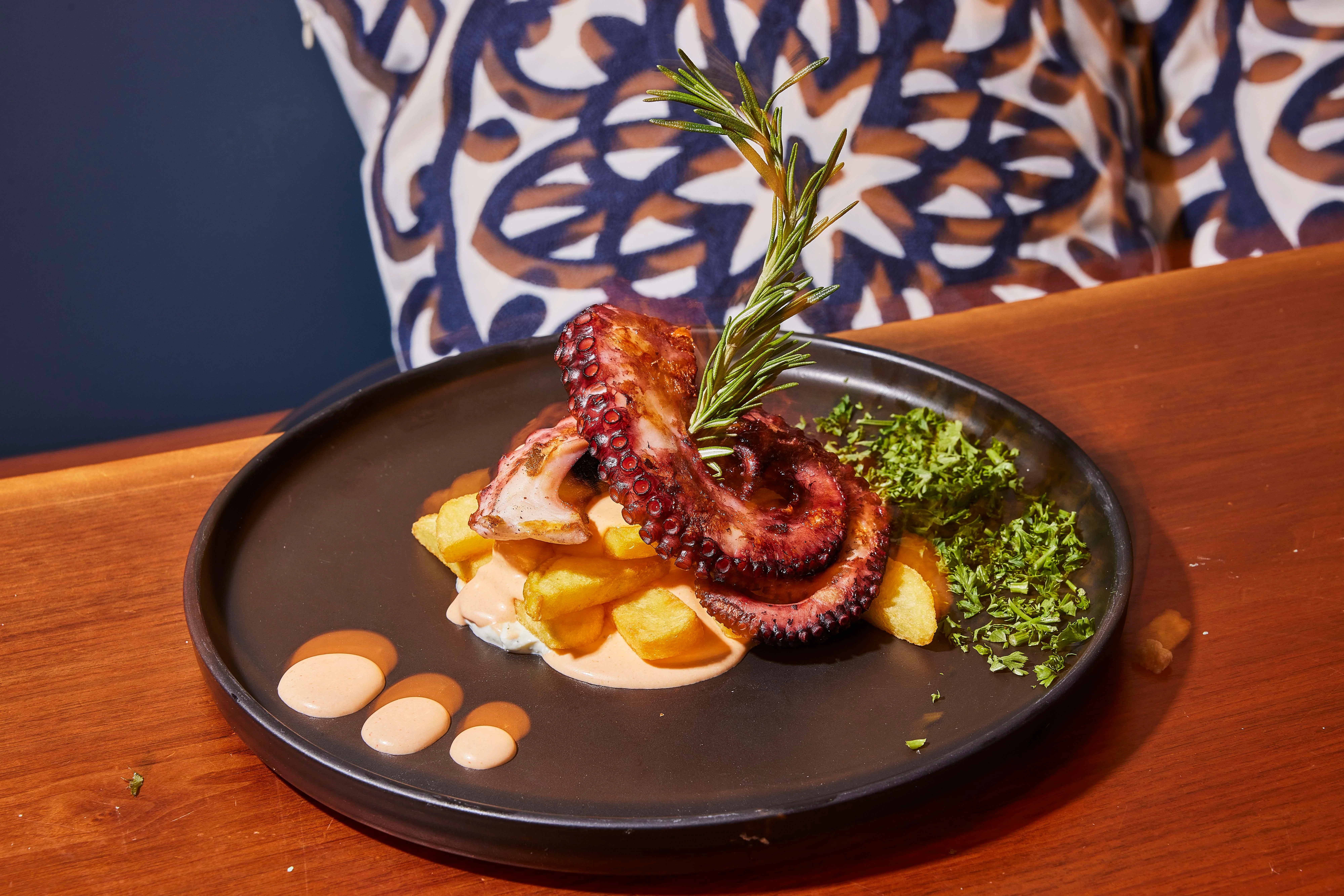
Sufrat Mediterranean Grill serves Mediterranean dishes across South Florida. We serve Pembroke Pines, Doral, and Miami Beach with a menu that includes naturally Mediterranean staples.
Grilled chicken and chicken kebabs offer lean, satisfying protein. Shrimp kebabs bring seafood into the mix too. A Greek salad or Mediterranean salad adds fresh vegetables to any meal. Hummus, falafel, rice, and roasted vegetables round out the table nicely.
Diners following a gluten-free diet can ask about ingredients and preparation when ordering, since some menu items include pita or bulgur-based sides.
FAQs
Can you do a Mediterranean diet gluten-free?
Yes, the Mediterranean diet can absolutely be gluten-free. Simply swap wheat-based bread, pita, and pasta for rice, quinoa, or potatoes. Vegetables, fruits, legumes, fish, and olive oil remain the same. This keeps the diet's core benefits intact while removing gluten completely.
Will a Mediterranean diet get rid of belly fat?
The Mediterranean diet can support fat loss, including around the belly, when paired with a calorie deficit. Its focus on fiber, protein, and healthy fats helps control hunger. But no diet targets belly fat specifically. Overall weight loss reduces fat across the whole body over time.
What is a good weekly meal plan for the Mediterranean diet?
A good weekly plan includes vegetables and fruit at every meal. Rotate lean proteins like fish, chicken, and legumes throughout the week. Use whole grains like brown rice or quinoa as your base. Add olive oil, nuts, and herbs for flavor and healthy fat daily.
Why am I not losing weight on a gluten-free Mediterranean diet?
Weight loss stalls usually come down to calorie intake, not gluten. Processed gluten-free snacks can be high in sugar and fat. Portion sizes of nuts, oils, and grains may also be too large. Reviewing your overall calorie intake often reveals where extra calories are coming from.


