7 Powerful Mediterranean Diet Secrets to Reverse Fatty Liver
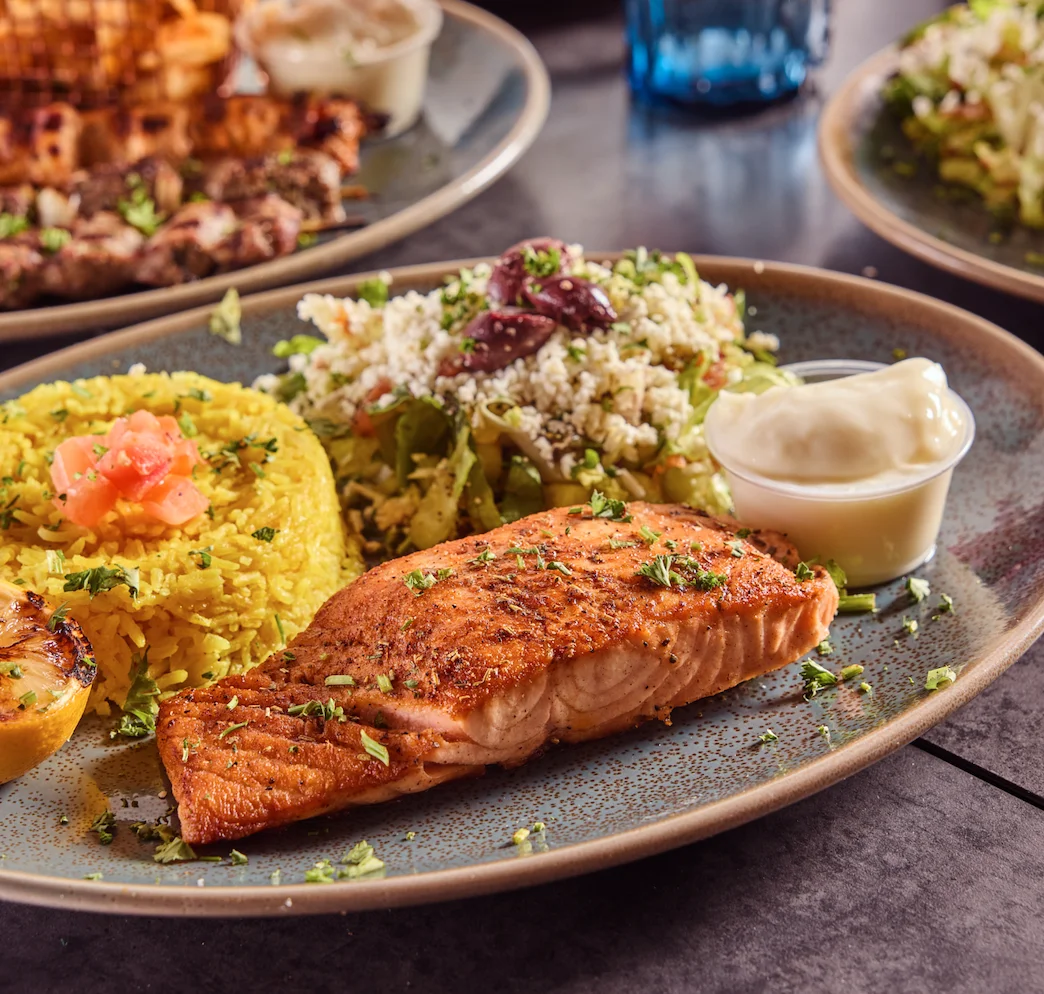
The Mediterranean diet for fatty liver works best when it does not feel like a strict health plan, but more like a natural way of eating that still lets people enjoy meals, dine out, and live normally without constant food stress.
Most people searching this topic are usually not confused about “what fatty liver is.” They are confused about something more personal.
Do I really have to give up my favorite foods?
Will this actually reverse fatty liver or just slow it down?
And what happens when I go out with family or friends?
These are real-life questions, not textbook ones. And the answer is also more human than clinical. Fatty liver improves when daily eating becomes lighter, cleaner, and more consistent, not when life becomes restricted.
That is exactly where Mediterranean eating quietly works in the background.
Why the Mediterranean Diet for Fatty Liver Feels Different From Other Diets
Fatty liver does not happen overnight. It builds slowly, almost silently. A little sugar here, fried food there, skipped walks, irregular meals, and over time, the liver starts storing more fat than it should.
What makes the Mediterranean approach different is not magic. It is simple.
Instead of removing everything, it replaces the heavy parts of the diet with lighter, whole foods that the body already knows how to process.
It is less about “dieting” and more about giving the liver fewer reasons to struggle. People often notice changes not because they are starving themselves, but because their body finally gets a break.
What a Mediterranean Diet for Fatty Liver Meal Plan Looks Like in Real Life
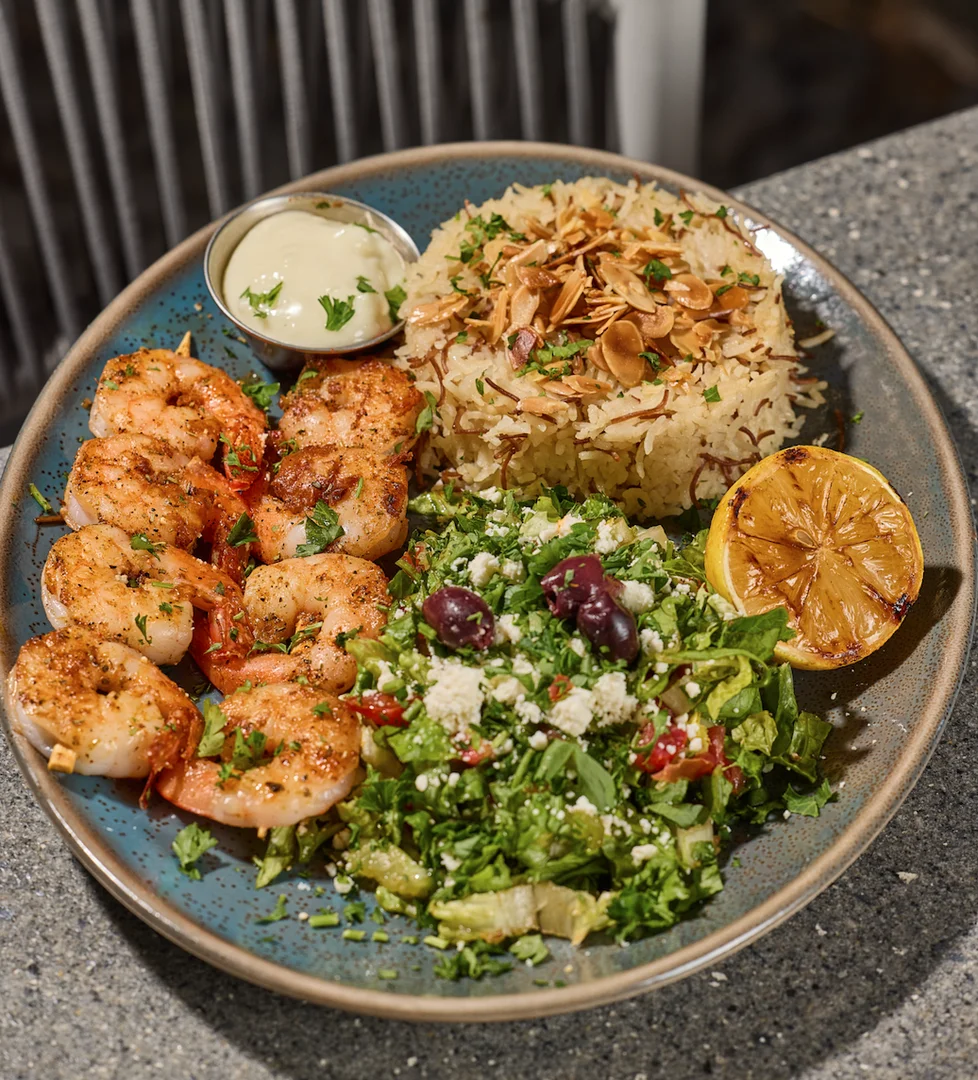
A Mediterranean diet for fatty liver meal plan is not built around strict timing or complicated recipes. It is built around repetition of simple, satisfying meals.
A normal day usually feels like this:
- A light breakfast that does not feel heavy
- A balanced lunch with protein and vegetables
- A simple dinner that is easy to digest
- Small snacks that do not spike sugar levels
What surprises most people is how normal it feels. There is no dramatic “diet food” energy. It just feels like eating better versions of regular meals, and that is why it actually lasts.
7 Proven Mediterranean Diet Tips for Fatty Liver That Feel Sustainable
1. Start small, not perfect
One of the biggest mistakes people make is trying to change everything at once. That usually lasts a few days. Then life takes over again.
A more realistic approach is slow adjustment. Start with one meal. Just one.
Maybe lunch will become lighter or breakfast will become cleaner. That small change is enough to start shifting the body in the right direction. Consistency always beats intensity.
2. Stop thinking all fats are bad
Fatty liver confuses people because of the word “fat.” So the natural reaction is to remove all fats completely. But the Mediterranean approach does the opposite. It separates bad fats from good fats.
Better choices include:
- Olive oil instead of butter
- Nuts instead of packaged fried snacks
- Seeds instead of processed toppings
These fats actually support liver function instead of overwhelming it. The key is not to be less fat. The key is better fat.
3. Sugar reduction matters more than calorie counting
One of the biggest drivers of fatty liver is sugar, not total food quantity. The tricky part is that sugar hides everywhere. In drinks, sauces, packaged foods, and even “healthy” snacks.
Instead of strict cutting, small swaps work better:
- Whole fruit instead of fruit juice
- Plain yogurt instead of flavored yogurt
- Water or herbal tea instead of soda
These changes feel small, but they reduce liver load significantly over time.
4. Fiber is the quiet healer
Fiber does not get attention, but it should. It helps regulate blood sugar, supports digestion, and reduces fat storage in the liver. The best part is that it does not require special foods.
It shows up naturally when meals are built right:
- Vegetables with every meal
- Lentils or beans a few times a week
- Whole grains instead of refined bread or rice
Nothing complicated, just real food in normal combinations.
5. Eating out does not break progress
This is where most people feel stuck.
Can fatty liver improve if I still eat outside food?
Yes. It can.
The problem is not eating out. The problem is what gets ordered.
Mediterranean-style dining actually makes this easier because the food already aligns with the same principles. In South Florida, places like Sufrat Mediterranean Grill naturally support this style of eating.
The focus is usually on grilled proteins, fresh vegetables, olive oil-based preparation, and balanced portions. It does not feel like “diet food.” It feels like normal food done right. So instead of avoiding restaurants, the smarter move is choosing the right ones.
6. Portion size matters, but not in a stressful way
Another common fear is:
Do I need to eat very little now?
Not really. Mediterranean eating is not about shrinking meals. It is about balancing them.
A simple structure helps:
- Half a plate of vegetables
- Quarter protein
- Quarter grains or carbs
This removes confusion. It also keeps meals satisfying without overload. Over time, the body naturally adjusts to this balance.
7. Food should still feel like life, not a rulebook
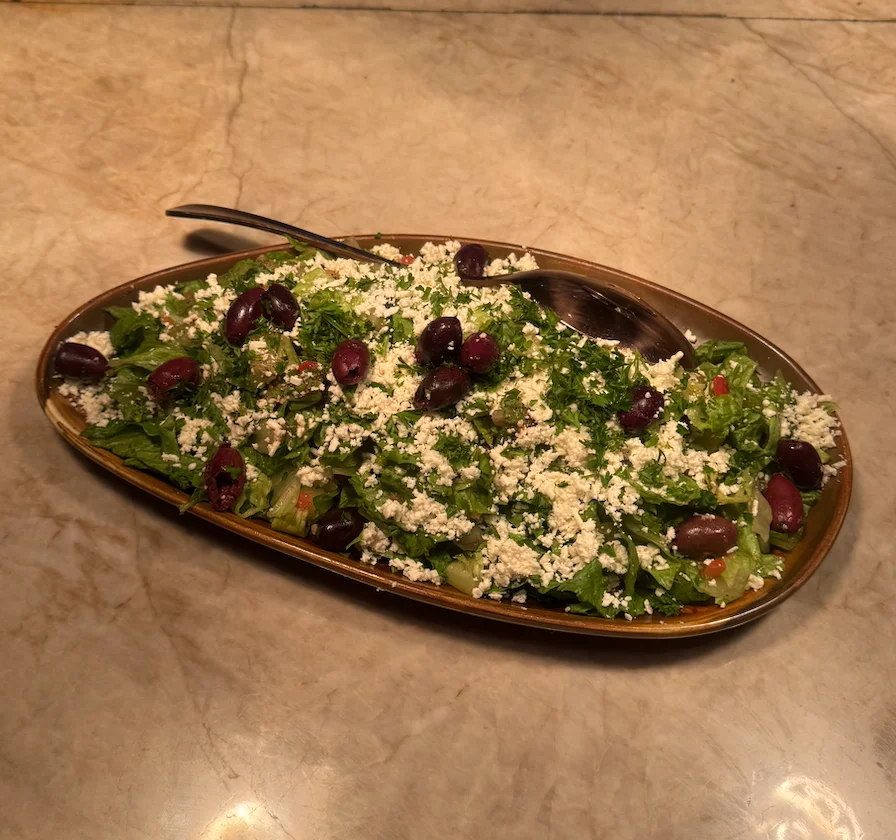
This is where most diets quietly fail. They forget that food is emotional, social, and cultural. The Mediterranean lifestyle keeps that part alive.
Meals are not rushed. Food is shared. Eating is slower and more intentional. Even social events and gatherings can fit into this approach when food choices stay balanced.
Dining experiences at Sufrat Mediterranean Grill often reflect this idea, where meals are designed for sharing, conversation, and enjoyment without losing nutritional balance. It shows that healthy eating does not have to feel isolated.
What a Real Day on a Mediterranean Diet for Fatty Liver Feels Like
Most people just want a clear, real-world picture—not explanations or theory, just how it actually looks in everyday life.
A typical day looks like this:
Morning starts light. Something simple like yogurt with fruit or oats with nuts.
Lunch becomes the main meal. Grilled chicken or fish, fresh salad, olive oil dressing, maybe a small portion of rice or bread.
Afternoon is a light snack. Fruit or a handful of nuts.
Dinner is calm and easy. Vegetables with protein, sometimes soup, sometimes grilled food.
These are simple habits you can follow every day. Over time, those repeated choices start to show real results.
Mistakes That Slow Progress Without People Noticing
Even with good intentions, a few habits can slow improvement:
- Using too much olive oil, thinking it is unlimited
- Choosing processed “Mediterranean-style” packaged food
- Overeating at restaurants, even healthy ones
- Sitting too long without movement
These are not failures. Just awareness points that help results show up faster.
A Final Thought
Most people do not fail diets because they lack knowledge. They fail because the plan does not fit real life.
The Mediterranean diet for fatty liver works differently. It does not ask for perfection. It asks for consistency.
Somewhere along the way, eating stops feeling like a restriction and starts feeling like a return to something simpler.
Not everything healthy has to feel complicated. Sometimes it is just about choosing food that lets the body breathe a little easier.
And the question slowly changes from “What am I allowed to eat?” to something more natural- what if the healthiest way of eating was also the most enjoyable one?
FAQs
Can the Mediterranean diet improve fatty liver?
Yes. Studies show it can reduce liver fat and improve metabolic markers when followed consistently.
How long does it take to see results?
Energy and digestion may improve in weeks. Liver changes usually take longer.
Can I still eat outside food?
Yes. The key is choosing grilled, fresh, and balanced meals.
Is this a strict diet?
No. It is flexible, which is why it works long term.


