4 Powerful Mediterranean Diet vs Paleo Differences
Mediterranean and Paleo eating share some basics, but the rules are not the same. Both favor whole foods, vegetables, fruit, fish, and less processed food. The key difference is flexibility. Mediterranean eating keeps grains, legumes, and some dairy. Paleo usually removes all three.
That changes how you shop, cook, and eat out. If you are comparing the Mediterranean diet vs paleo, focus on daily life first. A plan only works when you can keep following it.
1. Mediterranean Diet vs Paleo Food Rules Are Very Different
Both diets favor whole foods. Their food rules split quickly. Mediterranean eating includes whole grains, beans, lentils, vegetables, fish, olive oil, and moderate dairy. Paleo usually cuts grains, legumes, and most dairy.
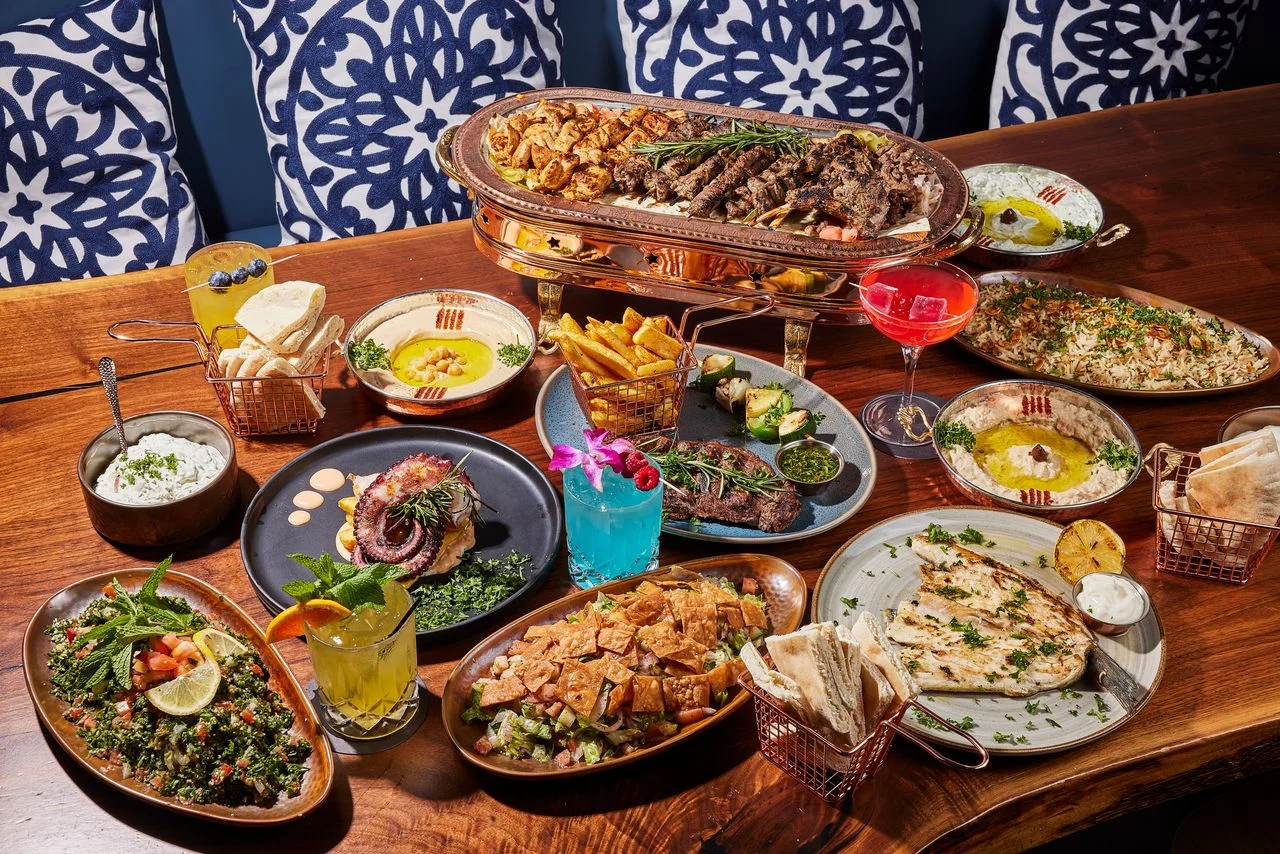
That difference shows up at lunch. A Mediterranean plate may include grilled chicken, hummus, salad, and whole-grain pita. A Paleo plate needs different sides. Hummus and pita usually leave the plate. Removing several food groups can mean more meal planning. Mediterranean eating usually needs fewer swaps.
Here is the simple food split:
- Whole grains fit Mediterranean eating, but usually not Paleo.
- Beans and lentils fit Mediterranean eating, but not Paleo.
- Dairy can fit Mediterranean eating in small amounts.
- Vegetables, fruit, fish, nuts, and seeds fit both.
- Olive oil is central to Mediterranean-style eating.
Neither plan is automatically better for everyone. The real question is what you can follow for months. Do your normal meals already include beans, yogurt, or grains? If yes, Mediterranean eating may feel easier.
2. Mediterranean Meals Put More Plants on the Same Plate
Mediterranean meals mix more plant foods in one meal. You may see vegetables, beans, grains, herbs, nuts, and olive oil together. Paleo also includes vegetables and fruit, but grains and legumes usually disappear. Protein, vegetables, nuts, seeds, and fruit then carry more of the meal.
A Mediterranean lunch may include grilled fish, couscous, vegetables, and olive oil. A Paleo lunch may use grilled fish, roasted vegetables, avocado, and nuts. Both can work well, but the difference lies in range. Mediterranean eating gives you more food groups to combine.
A simple Mediterranean lunch can follow this pattern:
- Start with vegetables or salad.
- Add beans, fish, eggs, or chicken.
- Include a whole grain when wanted.
- Add olive oil, nuts, or seeds.
- Finish with fruit if needed.
This helps with weekly meal planning. You can change one part without rebuilding the whole plate. That also helps when leftovers need using.
You can see similar food traditions at Sufrat Mediterranean Grill . Our menu includes salads, dips, grilled meats, shawarma, and shared plates. Those dishes show the range found in Mediterranean-style dining. Still, restaurant food is not automatically a formal Mediterranean diet meal. Portions, sauces, and sides still matter. Check what fits your own needs.
3. The Mediterranean Diet Has Stronger Heart-Health Support

For heart-health evidence, Mediterranean eating has the stronger case. The American Heart Association supports Mediterranean-style eating within a heart-healthy pattern. Mayo Clinic also describes it as a heart-healthy way to eat.
Paleo can still offer useful changes. Some people eat more vegetables and less processed food after switching. That can improve the overall quality of their meals.
But long-term evidence is stronger for Mediterranean eating. Harvard also notes possible nutrient gaps with strict Paleo eating. Calcium can become one concern when dairy stays out for long periods. That does not mean Paleo is unsafe. It means planning matters more. Any strict diet can create gaps when key foods disappear.
Before choosing, check these points:
- Your current health needs
- Foods you already enjoy
- Your usual family meals
- How often you eat out
- Your weekly food budget
- Advice from your doctor
Current heart-health guidance favors whole grains, healthy proteins, unsaturated fats, and less processed food. Those ideas fit closely with Mediterranean-style eating. If you have a medical condition, get personal advice first. A doctor or dietitian can help you avoid unwanted gaps.
4. Mediterranean Eating Is Often Easier in Real Life
A diet has to work outside your kitchen. You eat at work, with friends, and during family events. Strict rules can feel harder in those moments.
Mediterranean eating usually gives you more menu choices. You can often choose grains, beans, vegetables, fish, chicken, or dairy. Paleo may need more swaps. You may need to skip bread, or some sides may need changing. Sauces can also need checking.
That may suit people who like clear rules, but others may find it tiring. Mediterranean eating often feels easier in social settings. A bowl, salad, wrap, or grilled plate can be adjusted fast. You can keep the meal simple.
At Sufrat Grill , we also promote the shared side of Mediterranean dining. Our menu includes dips, salads, grilled dishes, and plates made for groups. For larger gatherings, Private Events at Sufrat can work well for group meals and celebrations. The goal is not diet perfection, but having choices around a shared table.
Which Diet Fits You Better?
If you enjoy beans, grains, yogurt, and varied meals, Mediterranean eating may fit better. If you prefer clear food limits, Paleo may suit you more. When comparing the Mediterranean diet vs Paleo, focus on friction. Which plan needs fewer changes to your current meals? Which one still feels realistic on busy days?
Mediterranean eating may suit you if:
- You want more food variety.
- You eat grains or beans often.
- You want easier restaurant choices.
- You prefer flexible food rules.
Paleo may suit you if:
- You prefer stricter rules.
- You already avoid grains and dairy.
- You do not mind more meal planning.
Sufrat Grill can also give you a practical look at Mediterranean flavors while dining out. Private Events at Sufrat can work for group dining too. Choose foods that match your own needs.
More rules do not make a diet better. A useful plan should support your health and still fit real life. Which style would you still enjoy after the first month?


